BreakingRiver of Light switches back on tonight after storms halt opening weekend
Liverpool’s free light trail returns from 5pm to 9pm after Storms Austen and Boelo forced three nights of cancellations. It now runs until Sunday 1 November.
Where to eat, what’s on, and what stood here before.
Venues chosen for the streets and buildings they stand in, documented against the historic record – and the city’s news, read against its past.
What’s on tonight
BreakingLiverpool’s free light trail returns from 5pm to 9pm after Storms Austen and Boelo forced three nights of cancellations. It now runs until Sunday 1 November.
NewMusicJamie Webster named first headliner for On The Waterfront 2027The Liverpool singer-songwriter plays Friday 18 June as the waterfront concert series returns for a sixth year, from 17 to 20 June 2027.
NewSportTour de France 2027: stage two will finish with a sprint on Liverpool’s waterfrontOn Saturday 3 July 2027 the peloton rides from Keswick through Lancashire, Knowsley and St Helens before a flat-out finish on the waterfront.
NewCityFestival Gardens: deal agreed for around 800 homes on the 1984 garden festival siteLiverpool City Council has signed the legal agreements with Urban Splash and igloo. Up to 441 homes are planned in the first phase on the south waterfront.
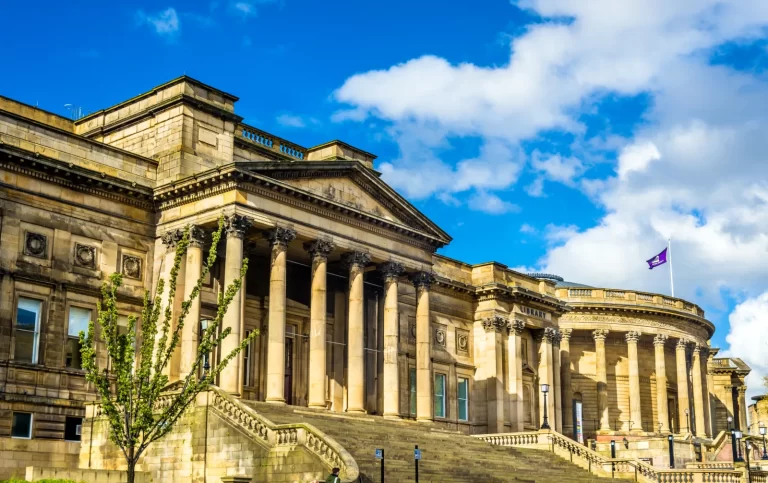
NewCityRemembrance Sunday 2026: Liverpool gathers at St George’s Hall on 8 NovemberThe service marks 110 years since the Somme. Roads around Lime Street close from 7am to 1pm, and the two-minute silence falls at 11am.
NewCultureThe Beatles Story to move to the former St Johns Market site in 2028Apple Corps plans a 100,000 sq ft experience opposite Lime Street station, more than four times the Albert Dock attraction, plus a Yellow Submarine view from St Johns Beacon.


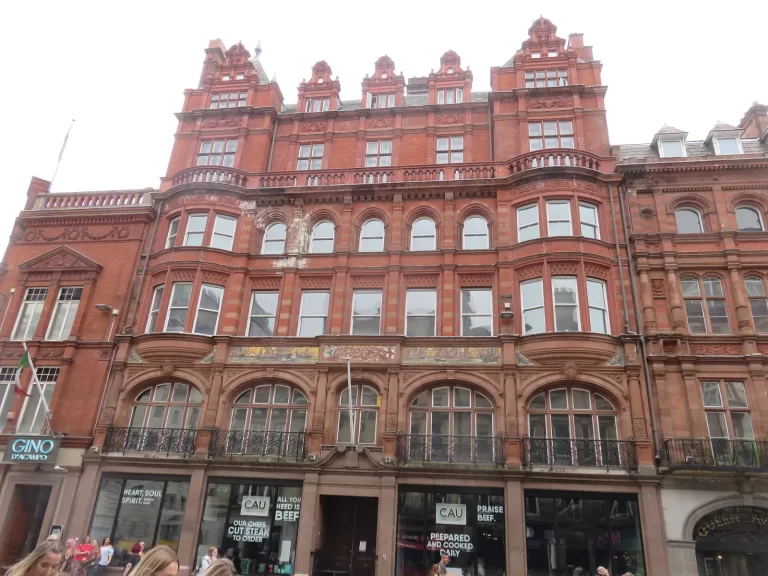
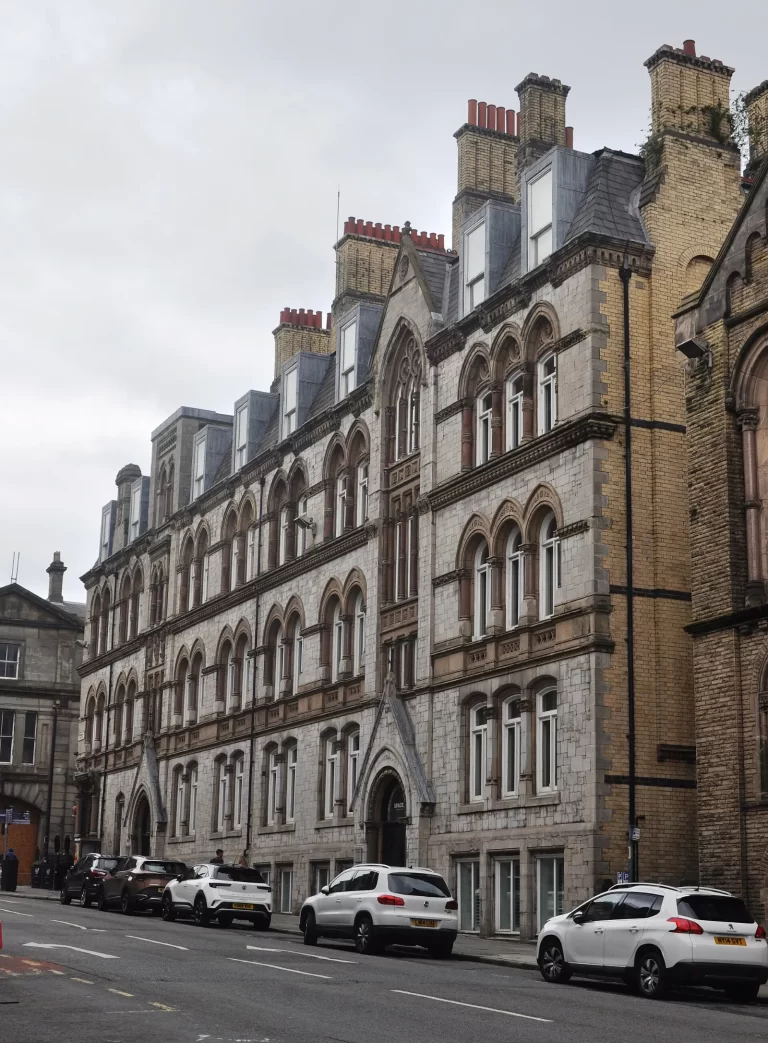
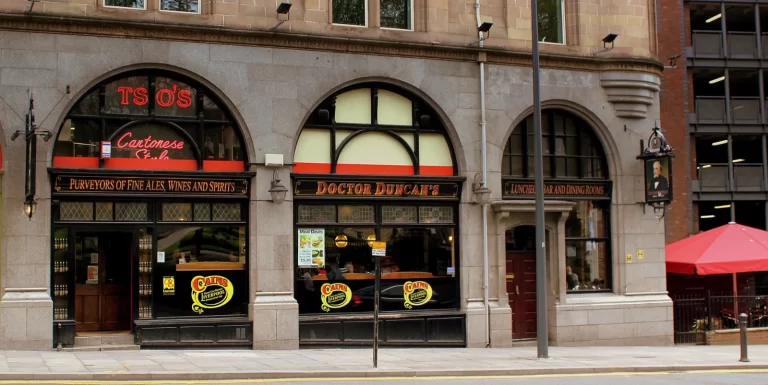
A rope-making walk turned merchant street, Bold Street now runs from the Lyceum to the bombed-out church, past five decades of cafés and the first Mowgli.
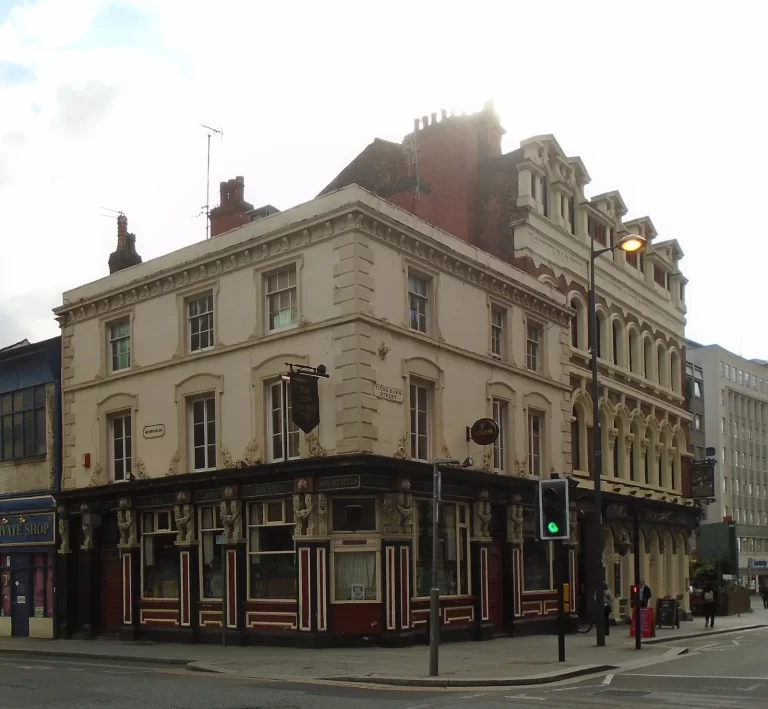


Old Town Liverpool researches the building behind every venue: its age, its listing grade and what stood there before. Each page is then written and structured to be read by Google, Bing and AI assistants, so when someone asks where to eat near a landmark, your venue has a documented answer.
Old Town Liverpool does not list every restaurant in the city. We choose venues on Liverpool's historic streets, research the building each one occupies, and publish a page written to be read by Google and by AI assistants.


Every venue sits on one of Liverpool's historic streets or districts, picked for the building as much as for the menu.
Age, listing grade and a dated timeline, checked against the National Heritage List for England, with a Time Meter score from 0 to 100 on every page.
Each page publishes structured data, opening details, location and FAQs, and is listed in our sitemaps so search engines can read it in full.
Short, sourced answers to the questions people now ask ChatGPT, Gemini and Perplexity: where to eat near a landmark, which pubs are listed, what a building used to be.
For partner venues: a live menu on their page, their Google Business Profile set up properly, and monthly tracking of map rankings and AI mentions.

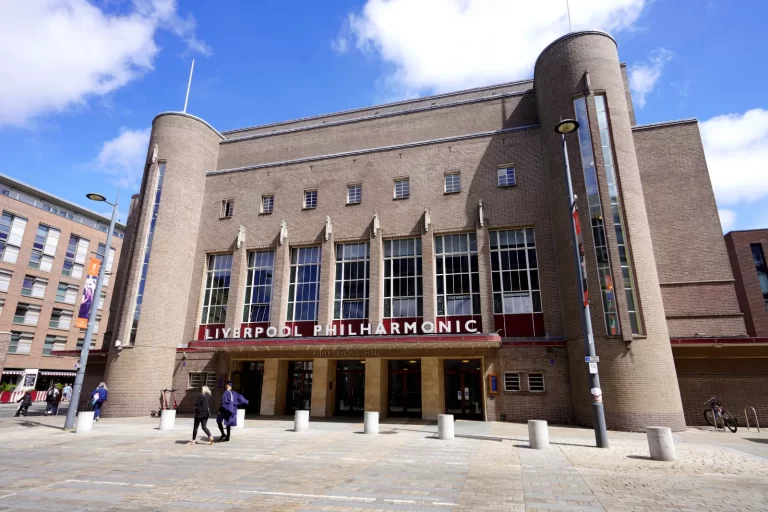
Spas inside listed buildings, a floating sauna on Princes Dock, yoga and pilates studios, and the local teachers who run them — starting with Maria of Gently Speaking.

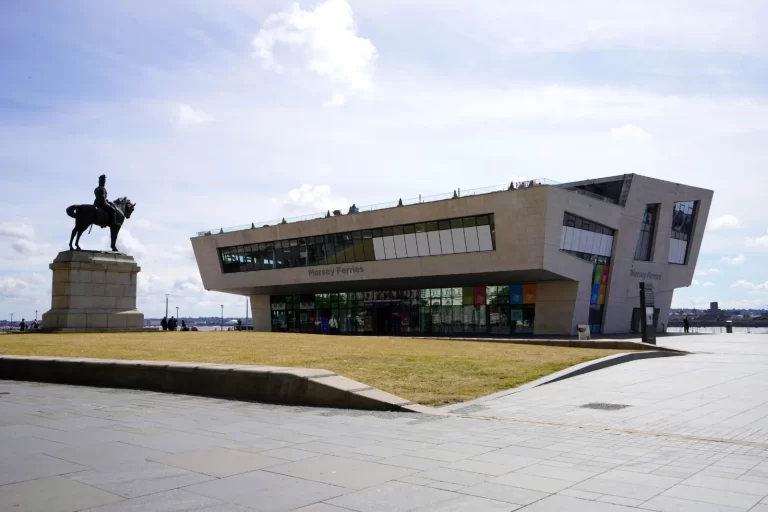
Explore Wellness Liverpool →Meet Maria · Gently SpeakingPeople have been ferried across the Mersey since about 1150, when the Benedictine monks of Birkenhead Priory charged a small fare to row passengers over. Edward III granted the priory the right of ferry by charter in 1330.
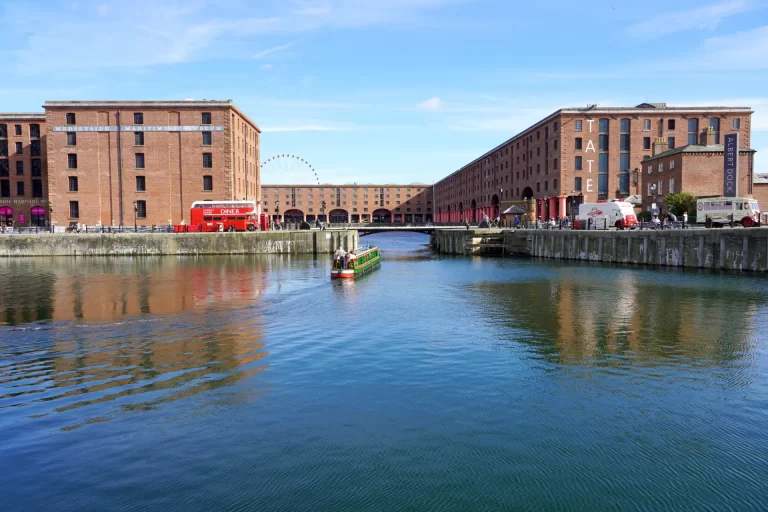
Departures leave the Royal Albert Dock, opened in 1846, for the suburbs where the Beatles grew up. 20 Forthlin Road, Paul McCartney's childhood home, is one of the photo stops.
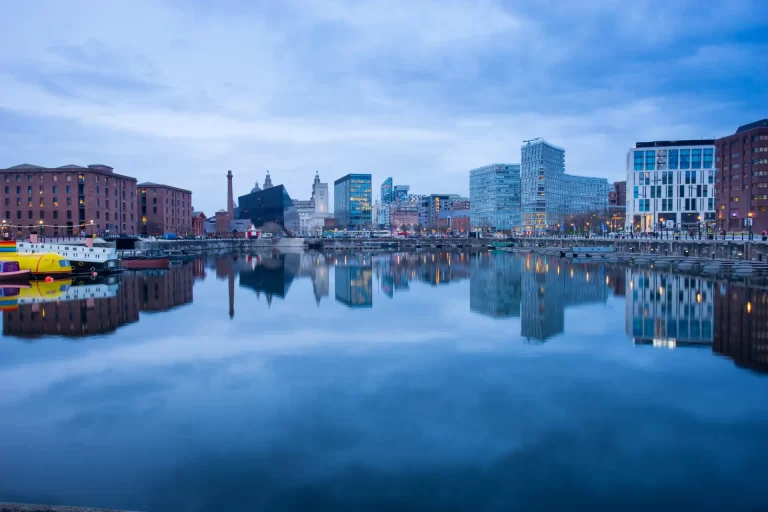
The tour starts at the Royal Albert Dock, where houses, a pub and the Dock Trustees' dockyard were cleared for Jesse Hartley and Philip Hardwick's dock, opened by Prince Albert in 1846.
The stadium stands on Bramley-Moore Dock, opened on 4 August 1848 by Jesse Hartley and named after the dock committee chairman John Bramley-Moore. It handled coal for export and for steamships until 1988, and was infilled to build the stadium, which opened in 2025.
The Cavern opened on 16 January 1957 as a jazz club in the cellar of a Mathew Street fruit warehouse that had been an air-raid shelter in the war. It closed on 28 May 1973 when British Rail bought the site; the cellar was filled with rubble, and a reconstruction opened in 1984.
The museum opened on 1 May 1990 inside the Royal Albert Dock, whose Grade I warehouses opened in 1846 as the first in Britain built without structural wood.
Every venue page carries the Old Town Time Meter: a 0 to 100 score for how far back the building, and the street around it, really goes. The nine historic districts below each have their own.
How the Time Meter works


Building histories are researched against the National Heritage List for England, CAMRA's heritage pub records and the venues' own archives. Where sources disagree, we say so.
Events come from the venues' own published programmes, and every venue page carries its address, hours and how to get there.

No pay-to-rank. Partner venues get a richer page and their own dashboard, never a better review.