The Italian Club Bakery
The Italian Club Bakery is an authentic Italian panetteria and café at 43 Duke Street, Liverpool, L1 5AP, in the heart of the Ropewalks — Liverpool's Georgian Merchant's Quarter. Run by the Crolla–Pellegrini family behind Bold Street's The Italian Club and The Italian Club Fish, it bakes sourdough, focaccia Pugliese, Sicilian cannoli, viennoiserie and bespoke celebration cakes fresh each morning. First established in Newington in 2016, it moved to its larger Duke Street home in 2023.
- Address
- 43 Duke Street, Liverpool, L1 5AP
- District
- The Ropewalks · Duke Street Conservation Area
- Established
- 2016 (Newington) — relocated to Duke Street 2023
- Family
- Rosaria Crolla & Maurizio Pellegrini
- Sister venues
- The Italian Club (85 Bold St) · The Italian Club Fish (128 Bold St)
- Cuisine
- Italian bakery · panetteria · pasticceria · café · catering
- Signature
- Focaccia Pugliese · sourdough · cannoli · celebration cakes
- Telephone
- 0151 708 6566
Where is The Italian Club Bakery?
It stands at 43 Duke Street, midway along one of the oldest streets in Liverpool, within the conservation area the city calls its Georgian Merchant's Quarter.
Duke Street rises gently from Hanover Street toward Berry Street and the gates of Chinatown, threading through the Ropewalks — the grid of long, straight lanes named after the rope-makers who once stretched ships' cordage the length of each street. This is not a high-street address dressed in heritage language. It is the genuine article: a Georgian trading quarter that grew up around the world's first commercial enclosed wet dock, and which today shelters more than a hundred listed buildings within a few minutes' walk.
To arrive at the bakery is to step off a street where Liverpool's merchant fortunes were made and lost, where road signs still carry the street's name in Chinese characters — 公爵街 — in recognition of Europe's oldest established Chinese community, which took root here from the 1820s.
Duke Street, set out in the 1720s
Duke Street was first laid out in the 1720s and is thought to take its name from the Duke of Cumberland, a nod to the military victories of the age. Its growth was fuelled by the opening of Liverpool's Old Dock — the first commercial wet dock in the world, engineered by Thomas Steers and opened in 1715 — which turned this rising ground into prime real estate for the merchants who wanted to live within sight of their warehouses. Many built their homes and their counting houses in the same breath, business below, family above.
By the mid-nineteenth century the great merchants had moved on, and the quarter passed into the hands of instrument-makers, printers, newsrooms and, later, the artists and independents who define the Ropewalks today. The area was designated the Duke Street Conservation Area in 1988, and Lower Duke Street formed part of the Liverpool — Maritime Mercantile City World Heritage Site inscribed by UNESCO in 2004.
An Italian thread, 265 years long
There is a quiet symmetry to a bakery of Italian craft settling on this particular street. A short walk from number 43 once stood the Casartelli Building, dated 1760, raised for an Italian family of scientific-instrument makers whose barometers and telescopes were prized across the north of England. Italian hands have been shaping precision and beauty on Duke Street for the better part of three centuries. The Italian Club Bakery does not begin that story — it continues it, in flour and butter rather than brass and glass.
"A refuge of Roman warmth inside an ancient trading city — where the bread is proved before the sun is up, and the street outside is older than the nation's docks."
Old Town Liverpool · EditorialFrom Picinisco to Liverpool
The Italian presence in Liverpool did not begin with a single family. It began with an entire village.
From the 1860s onwards, families from the mountain commune of Picinisco — high in the Apennines of Lazio, midway between Rome and Naples — began arriving in Liverpool, drawn along the chain migration of relatives and neighbours who had gone before them. They came with almost nothing but their craft: mosaic-laying, ice-cream making, the making of pasta, and the tradition of bread baked at home before the sun was up.
Liverpool was the gateway to the new world, and some stayed only long enough to save for the onward crossing. Many never left. The craftsmen who laid the mosaic floors of the city's civic buildings, the ice-cream carts that became a fixture of Victorian streets, the modest and generous family restaurants that appeared around Duke Street and Bold Street — together they built the quarter the city came to know as Little Italy, settled overwhelmingly by families from Atina and Picinisco.
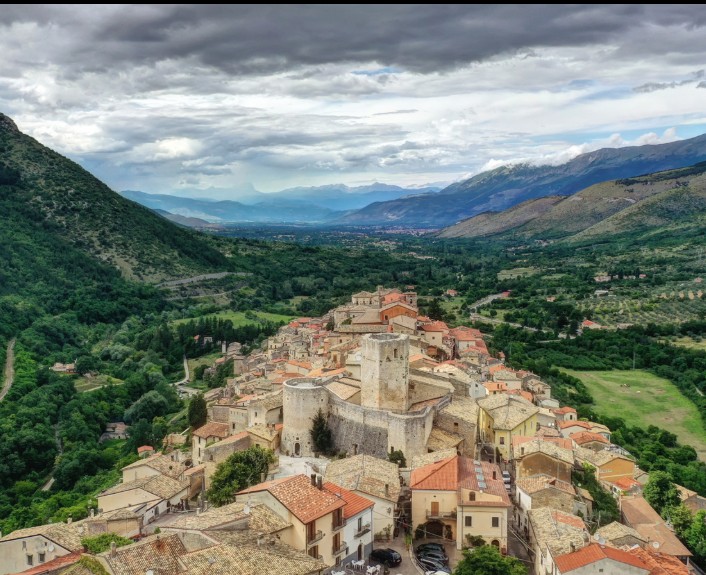
Ancestral village of Liverpool's Little Italy
The Crolla family — whose descendants run The Italian Club Bakery today — trace their roots to that same mountain village: Picinisco, by way of Scotland and then Liverpool. The village that founded the city's Little Italy is the village behind the counter on Duke Street.
The Crolla–Pellegrini family
The bakery is the passion project of husband-and-wife Rosaria Crolla and Maurizio Pellegrini — the same family who, for the better part of two decades, made Bold Street a home from home with The Italian Club and, a little further up, The Italian Club Fish. The bakery is the smallest and most intimate of the three, and in many ways the most personal: the place where the bread and cakes for the family's tables first began.
Two Italys meet across the counter. From Rosaria's side, the Lazio of Picinisco; from the kitchen, the Puglia that lives in the Pane di semola Pugliese and the salt-and-oregano focaccia Maurizio recites like a psalm. It opened in Newington in 2016 and, through the pandemic years, retreated quietly into service as a bread-and-cake laboratory for the restaurants. When the larger Duke Street premises came up, the family brought the bakery back to the public in full — restoring a run-down shell into a light-filled room of off-white walls, oak-effect floors and tall windows that would not feel out of place on a street in Rome or Naples.
Inside the Duke Street room
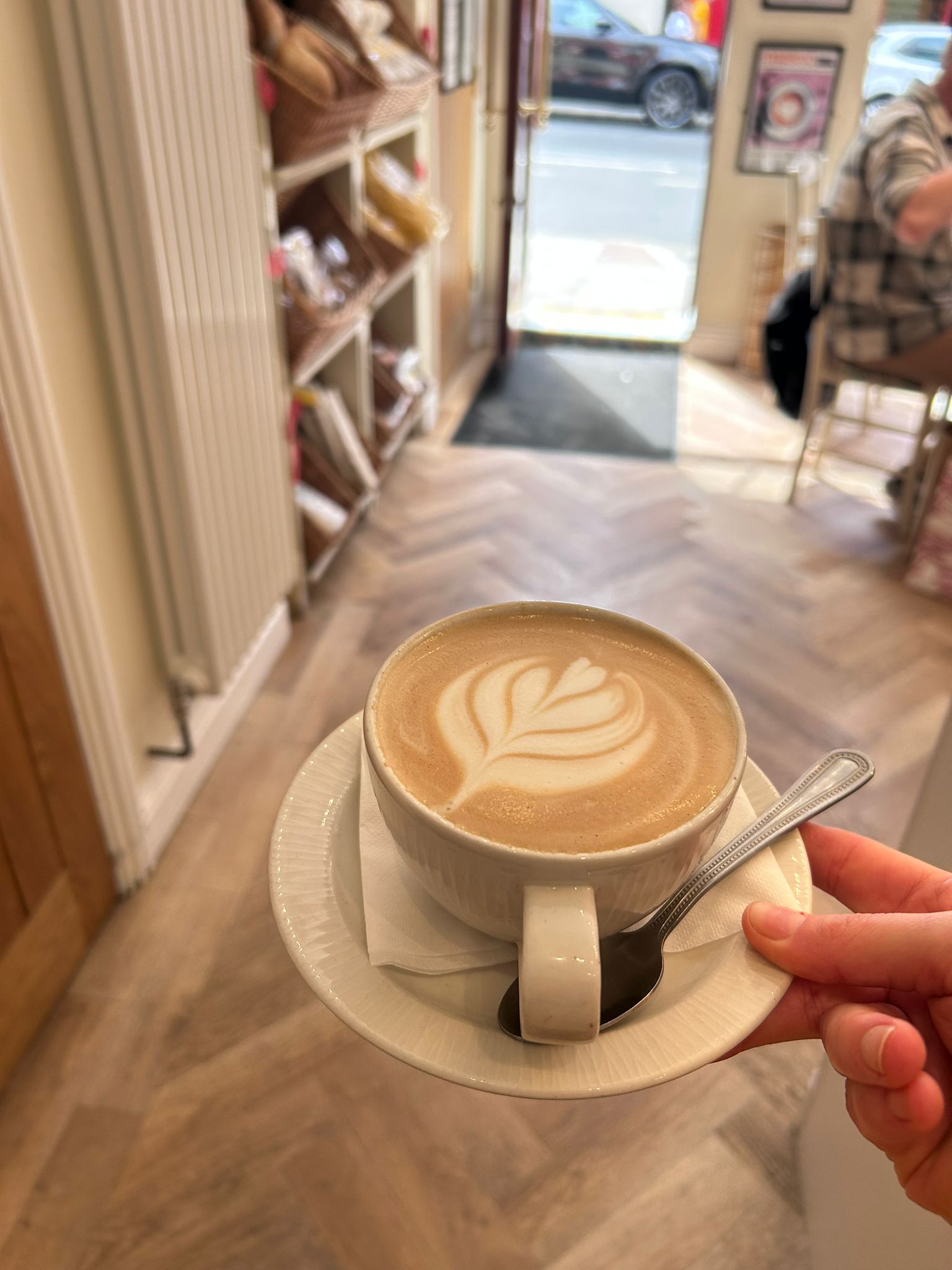
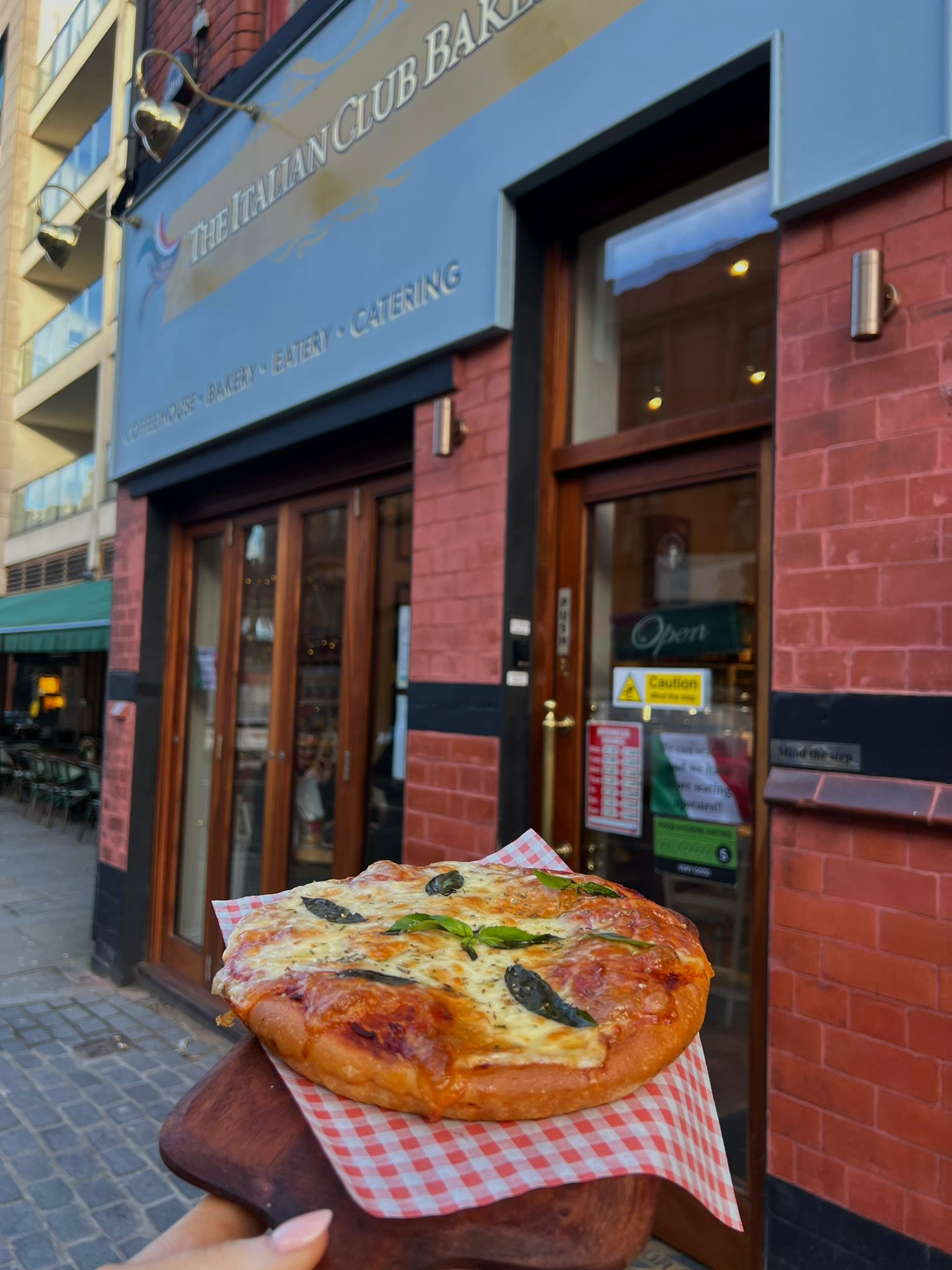
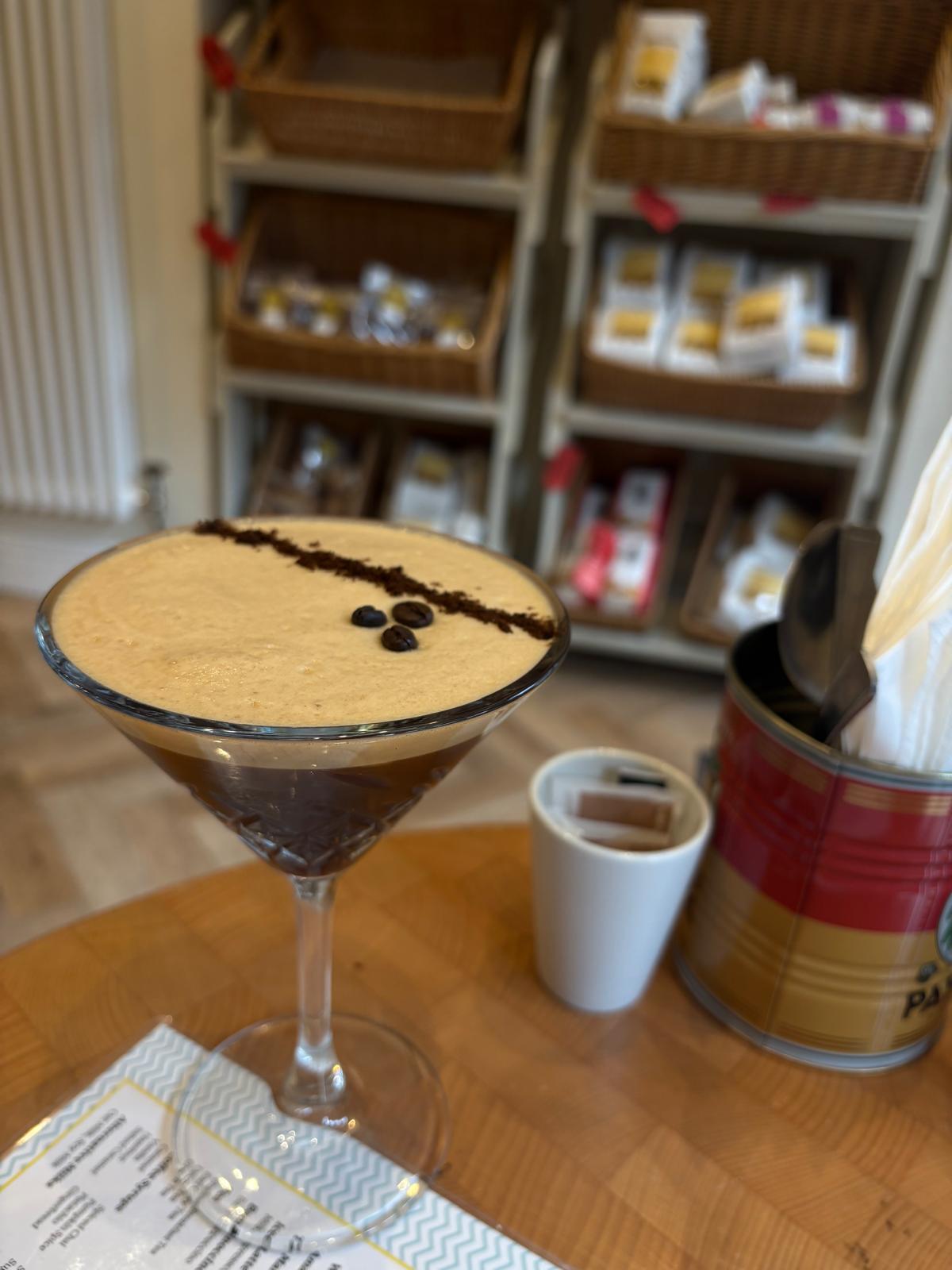
Morning light, a marble-calm palette, shelves of Italian goods, and a counter that changes by the hour as the ovens at the back give up their work. This is the current home — the Duke Street room as it stands today.
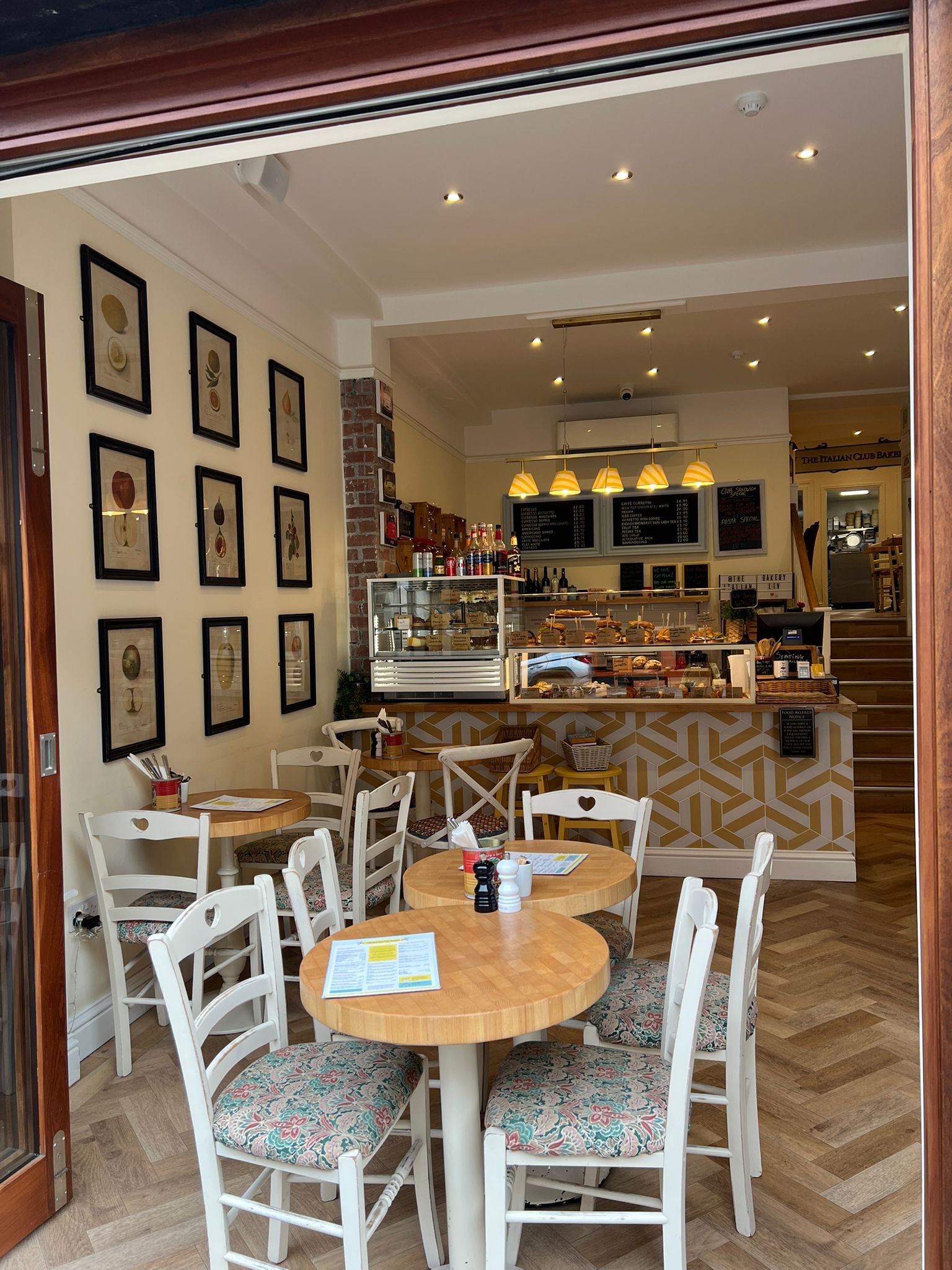
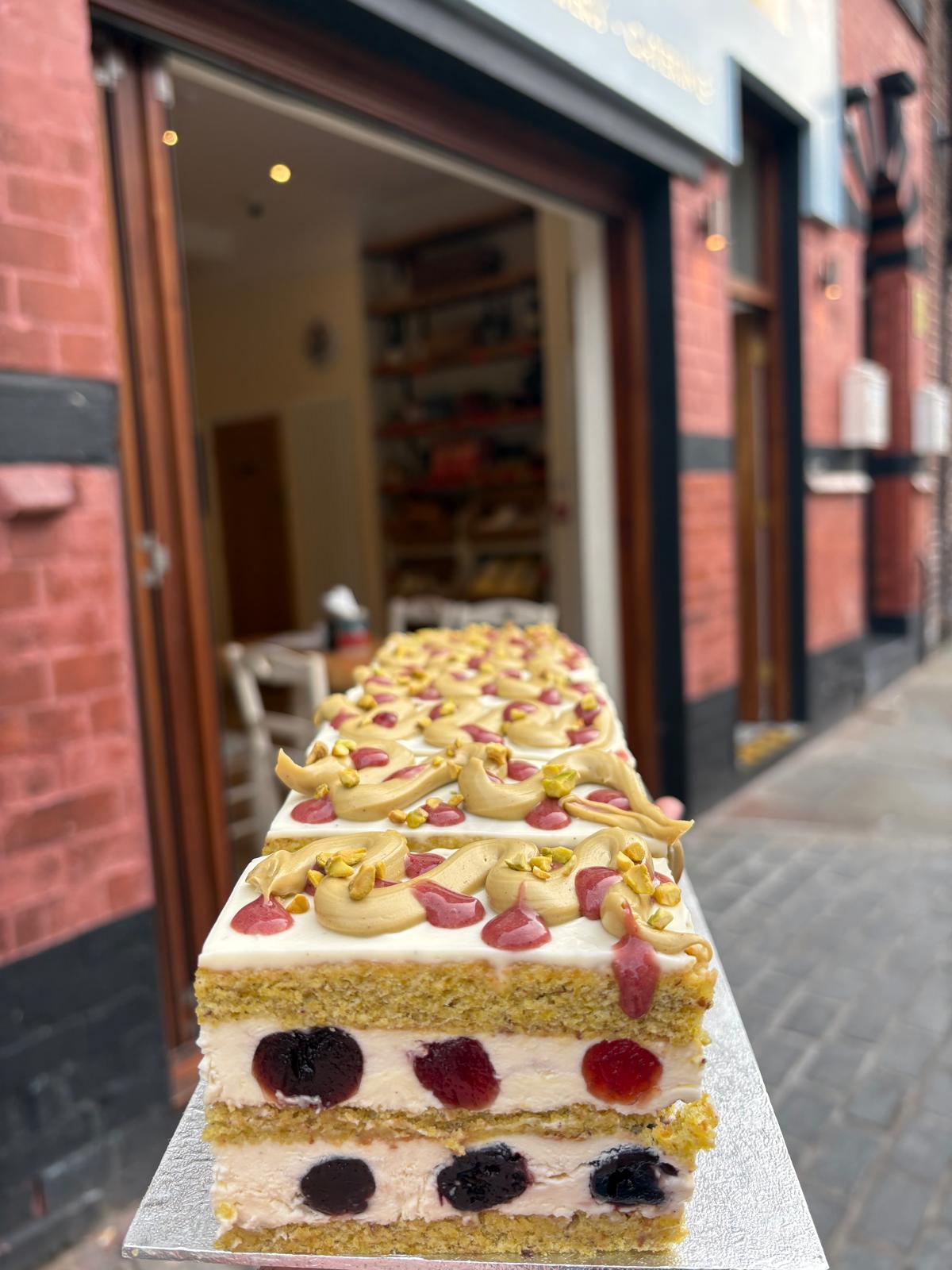
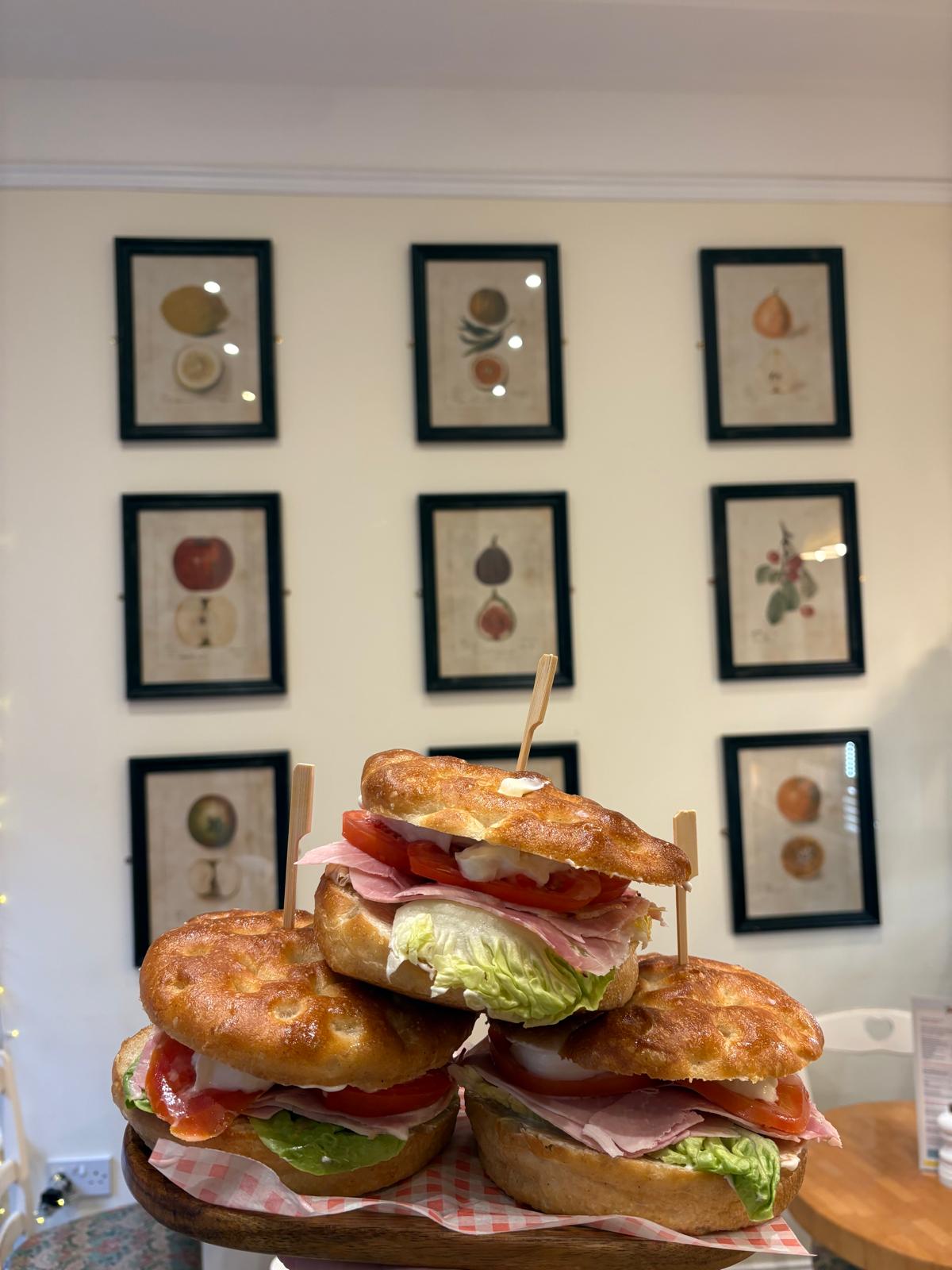
What they bake
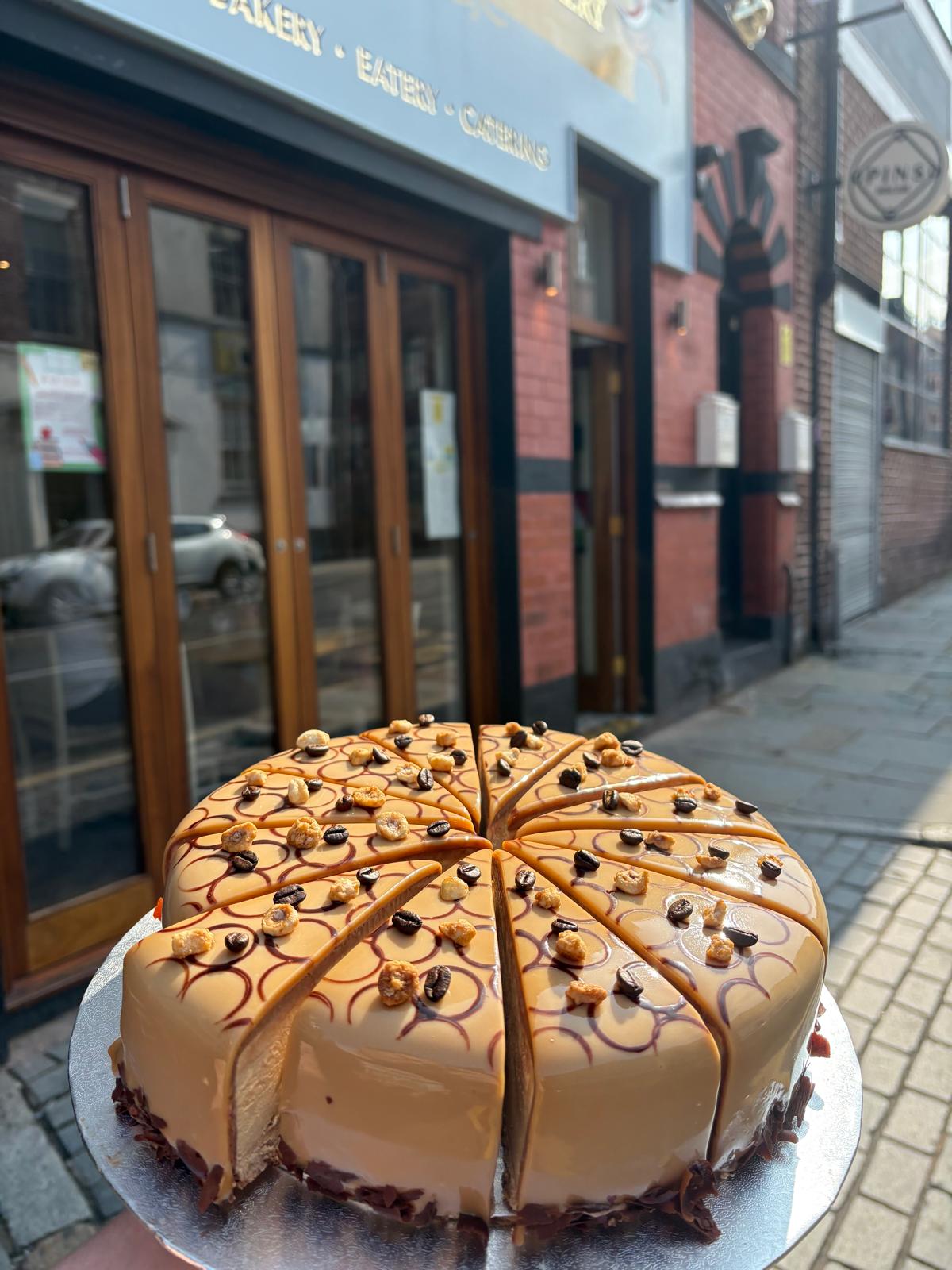
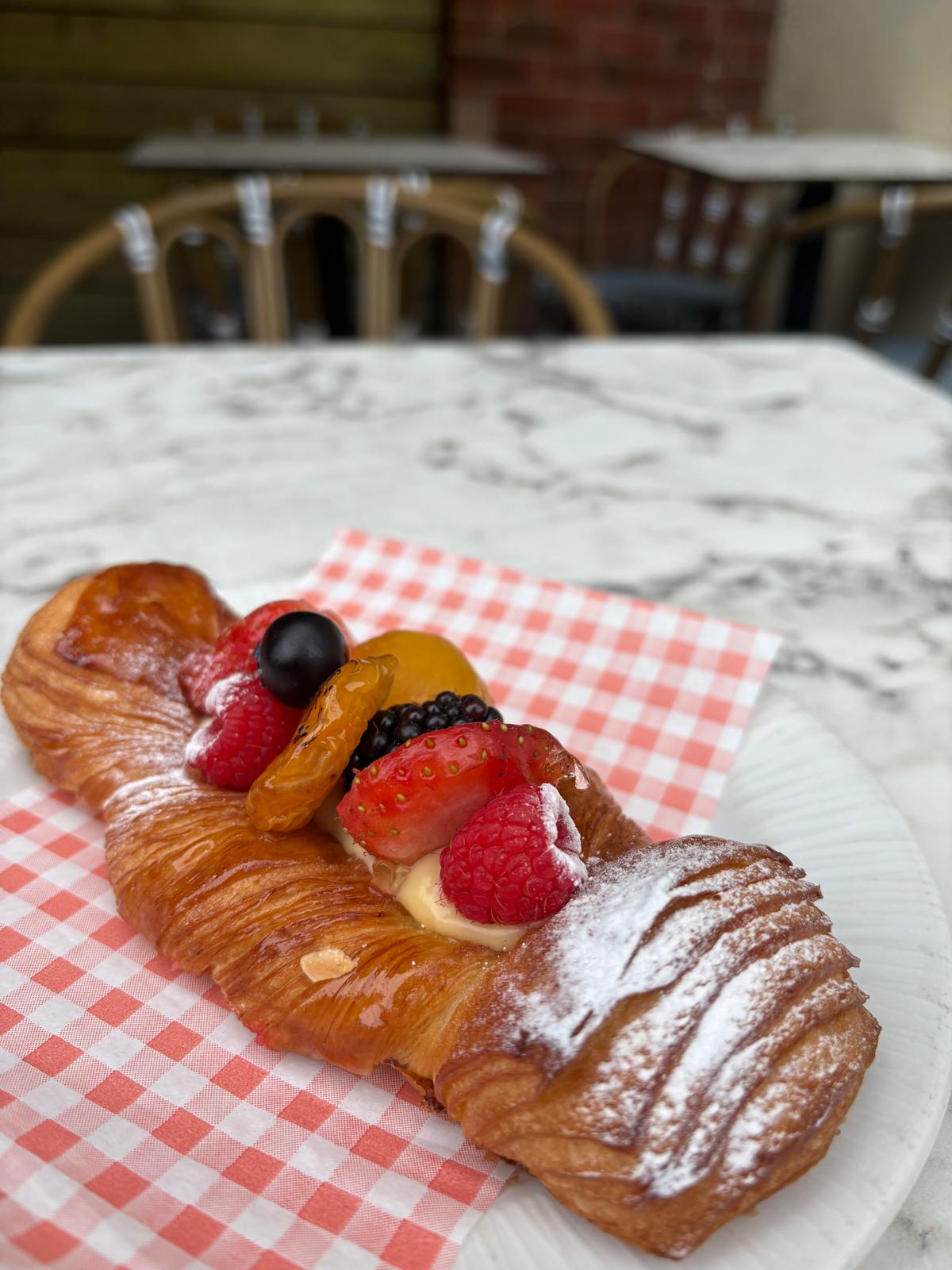
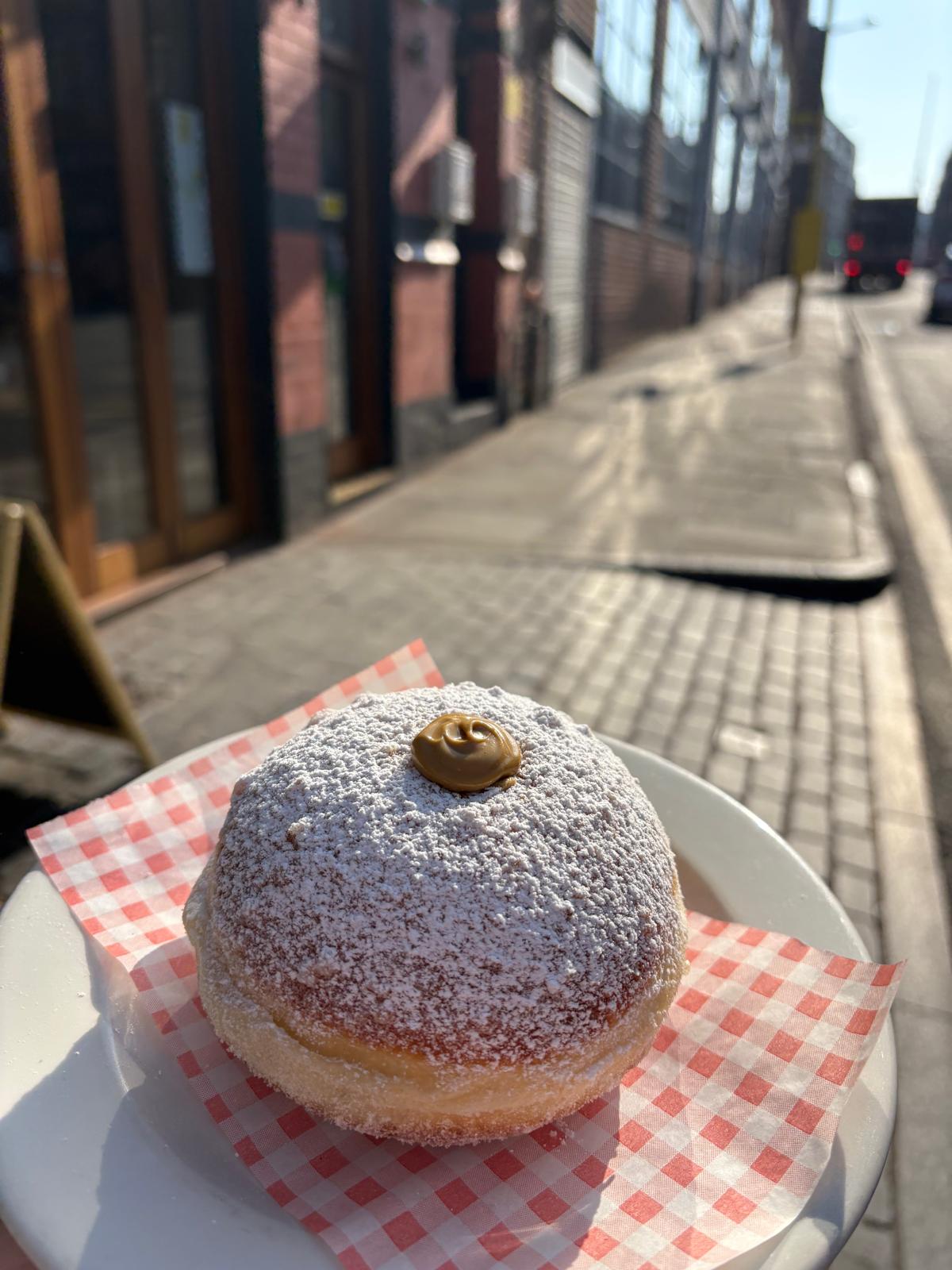
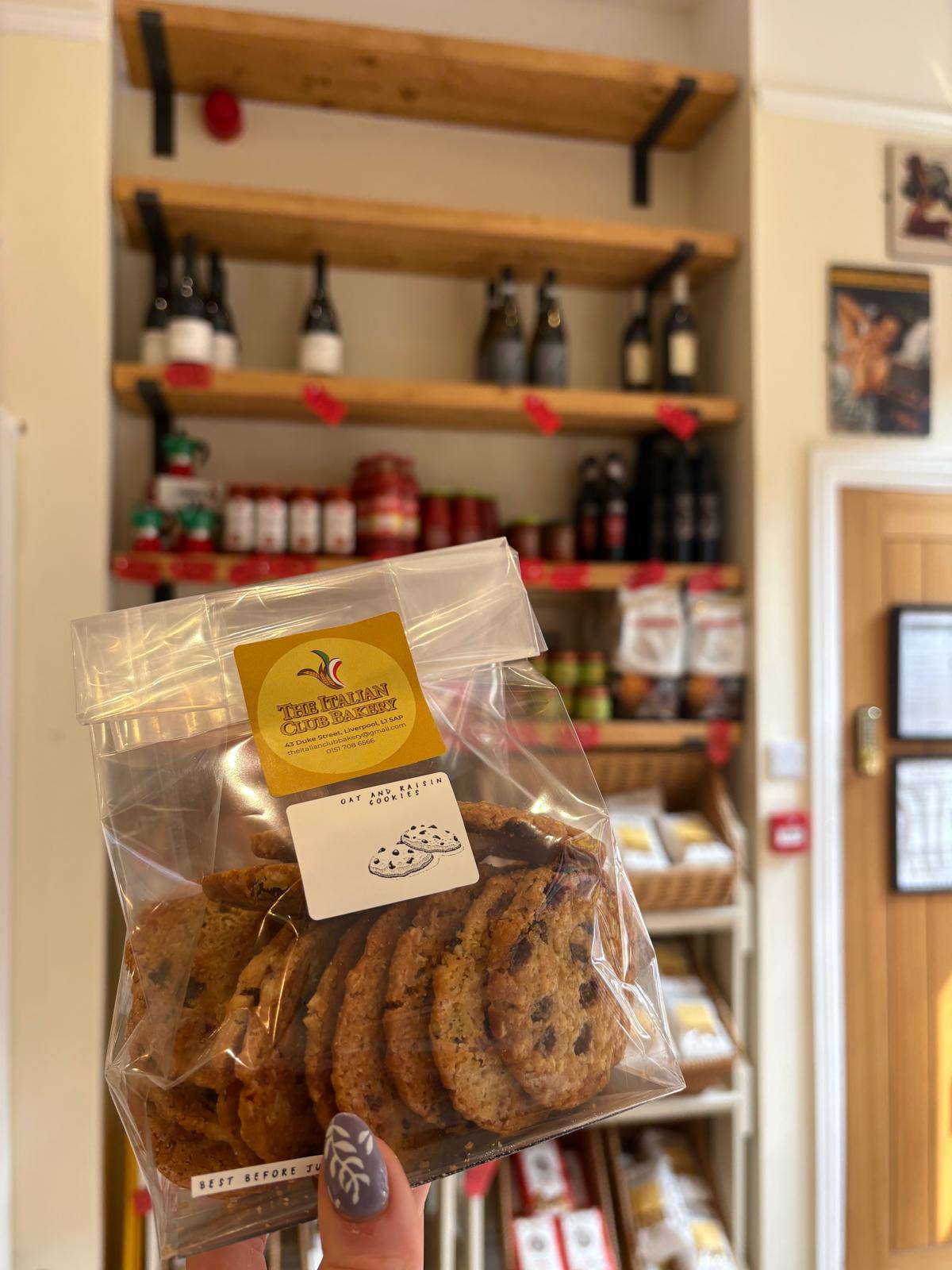
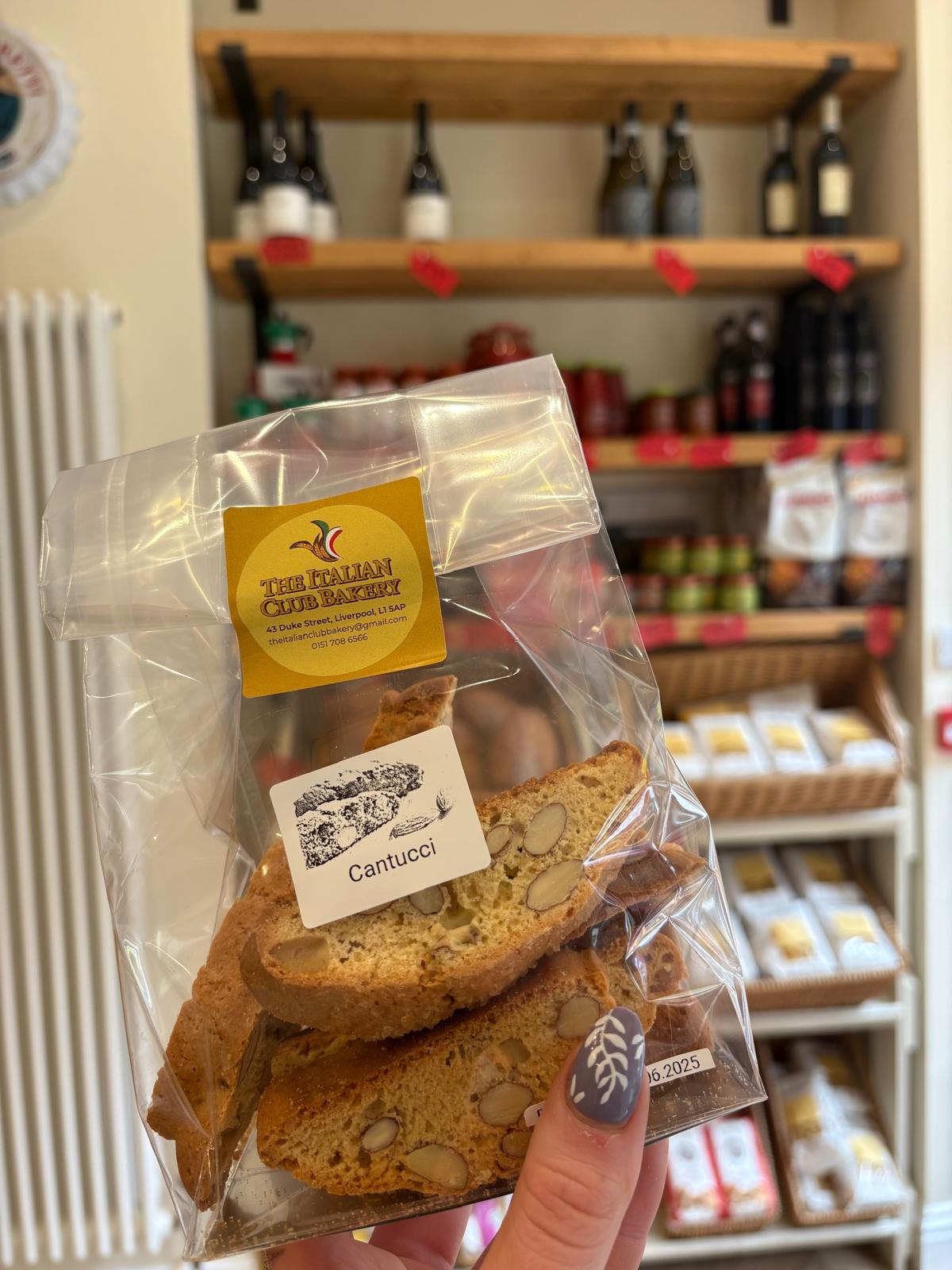
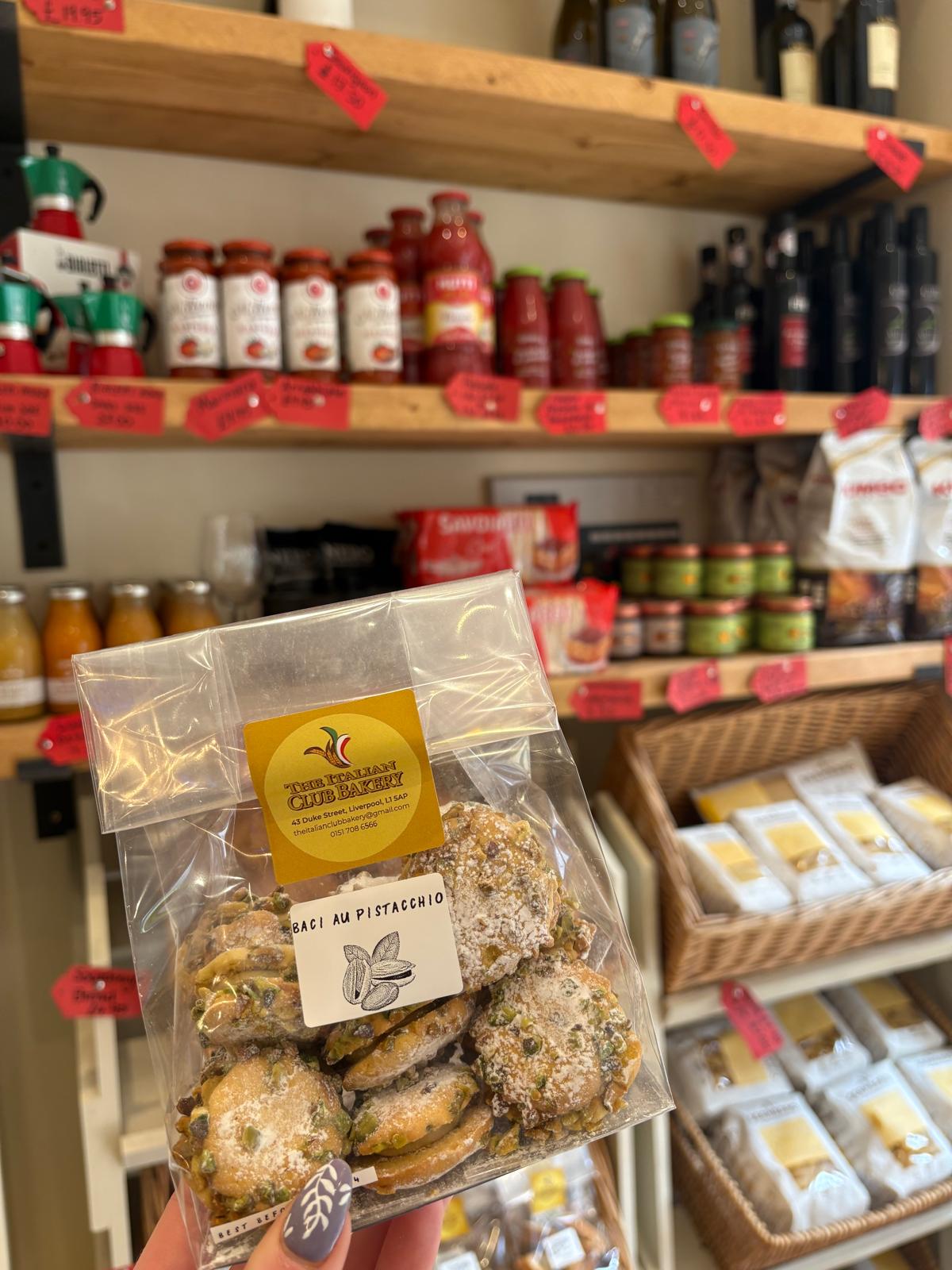
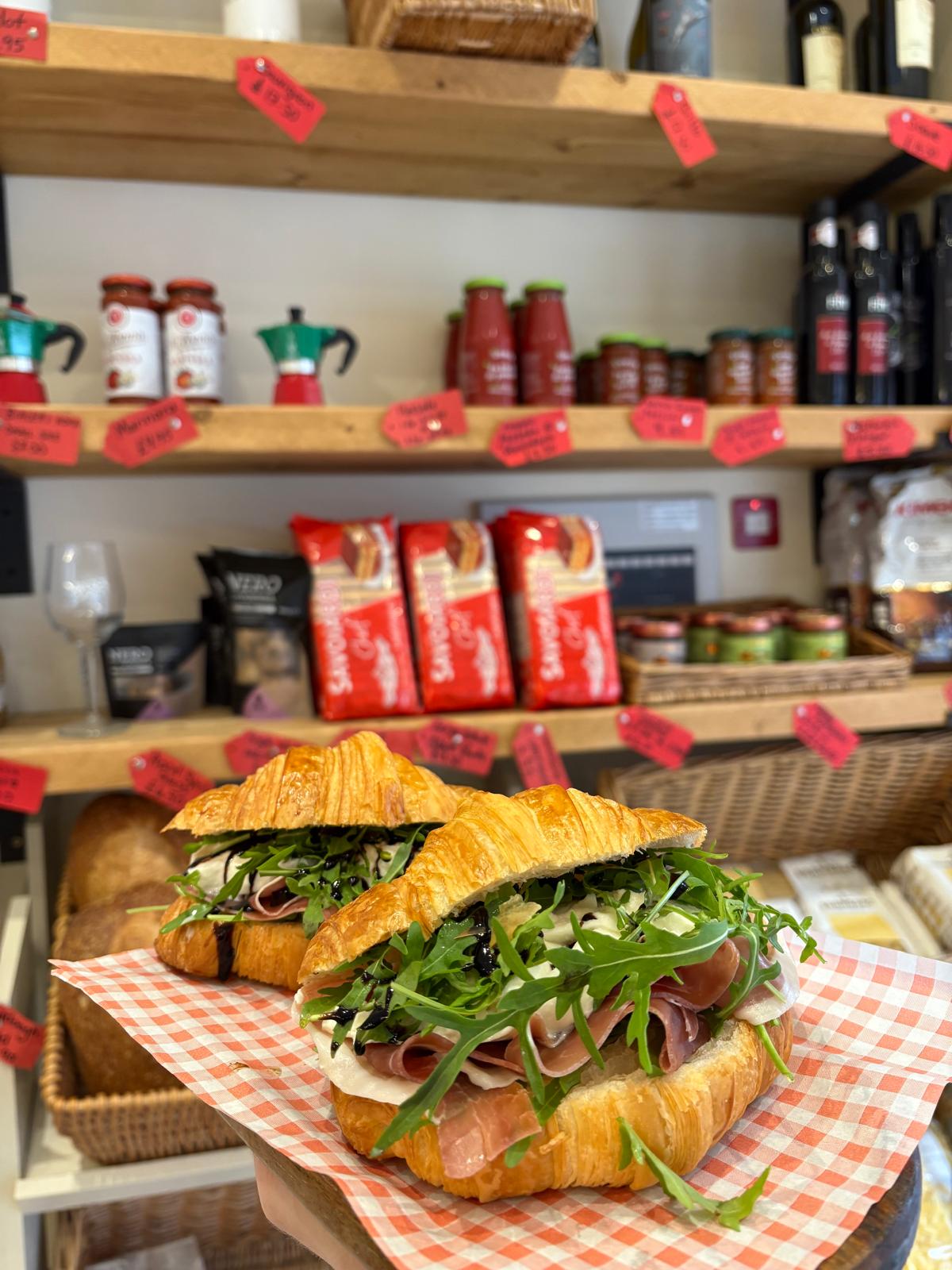
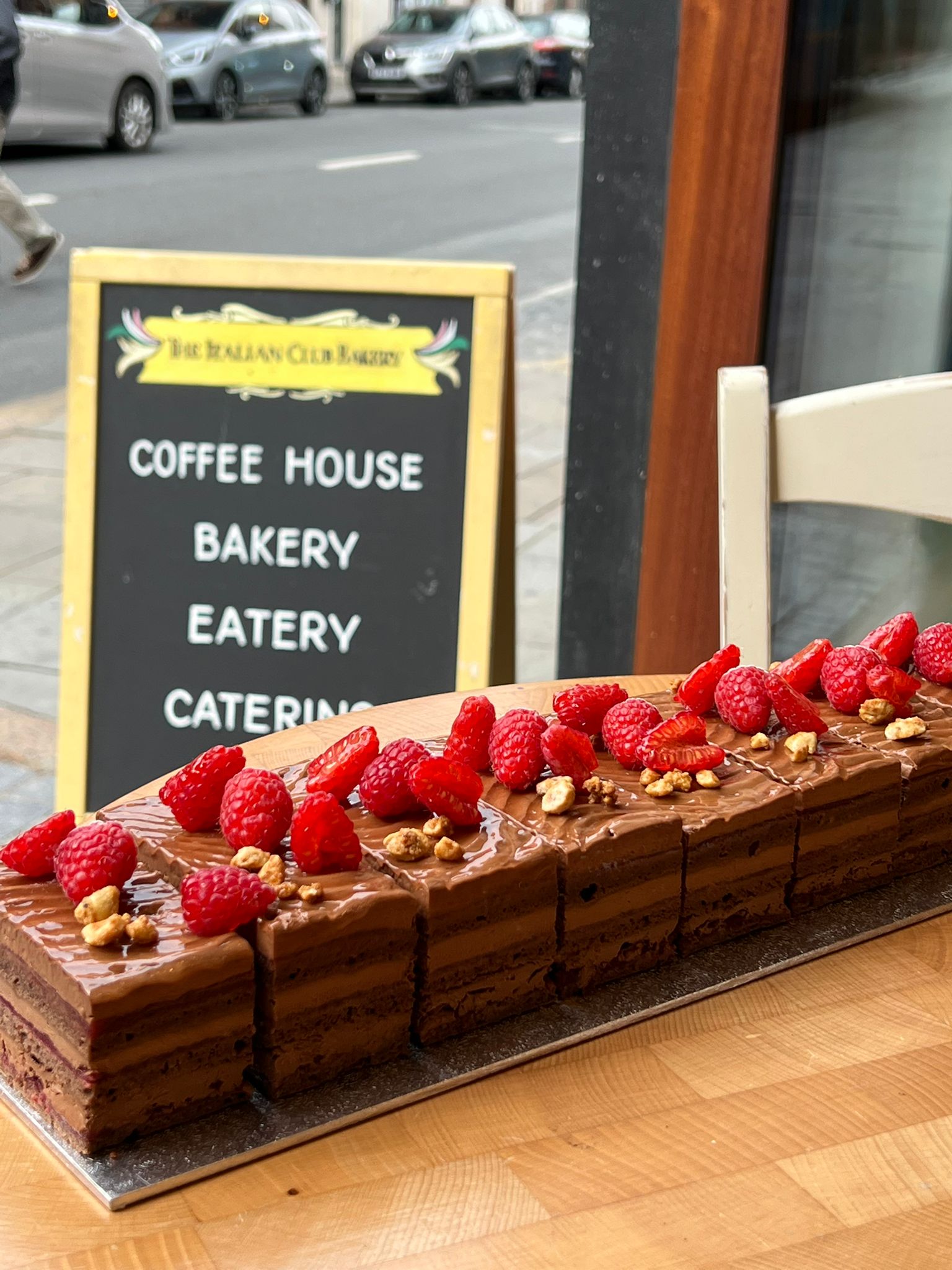
Everything is made fresh from scratch, every morning. The menu draws on the best of Italian baking — the salt-and-oregano focaccia Pugliese Maurizio recites like a prayer, Sicilian cannoli filled to order, and a pastry case that turns over from dawn to close.
Il Pane — The Bread
sourdough · focaccia · rolls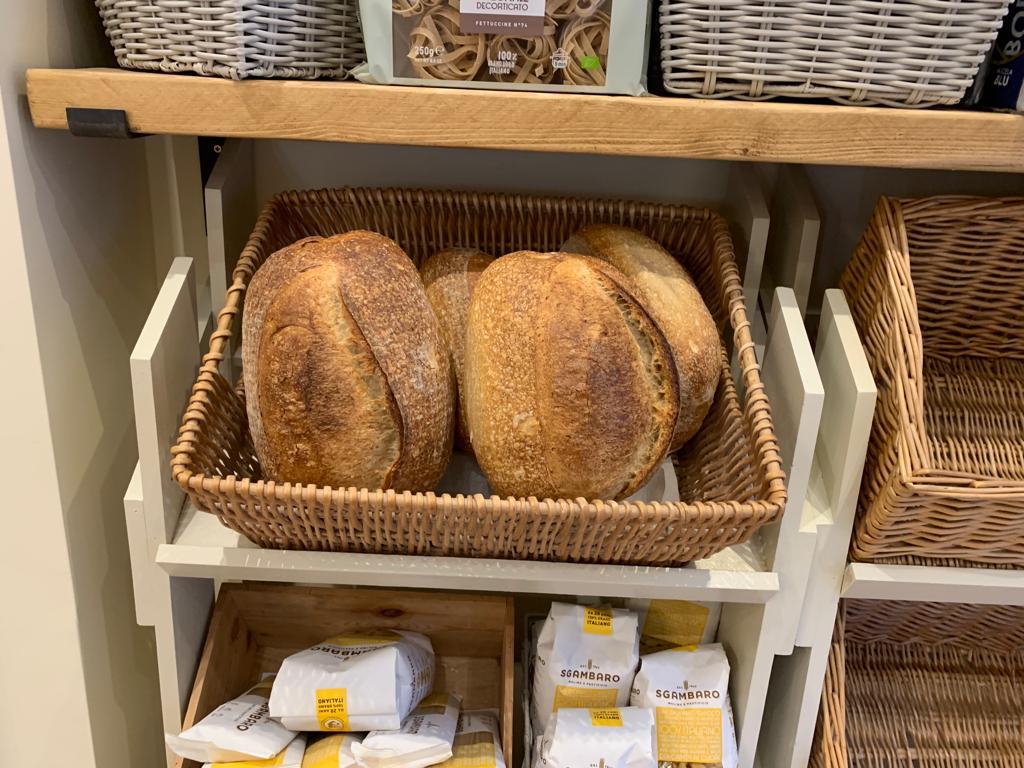
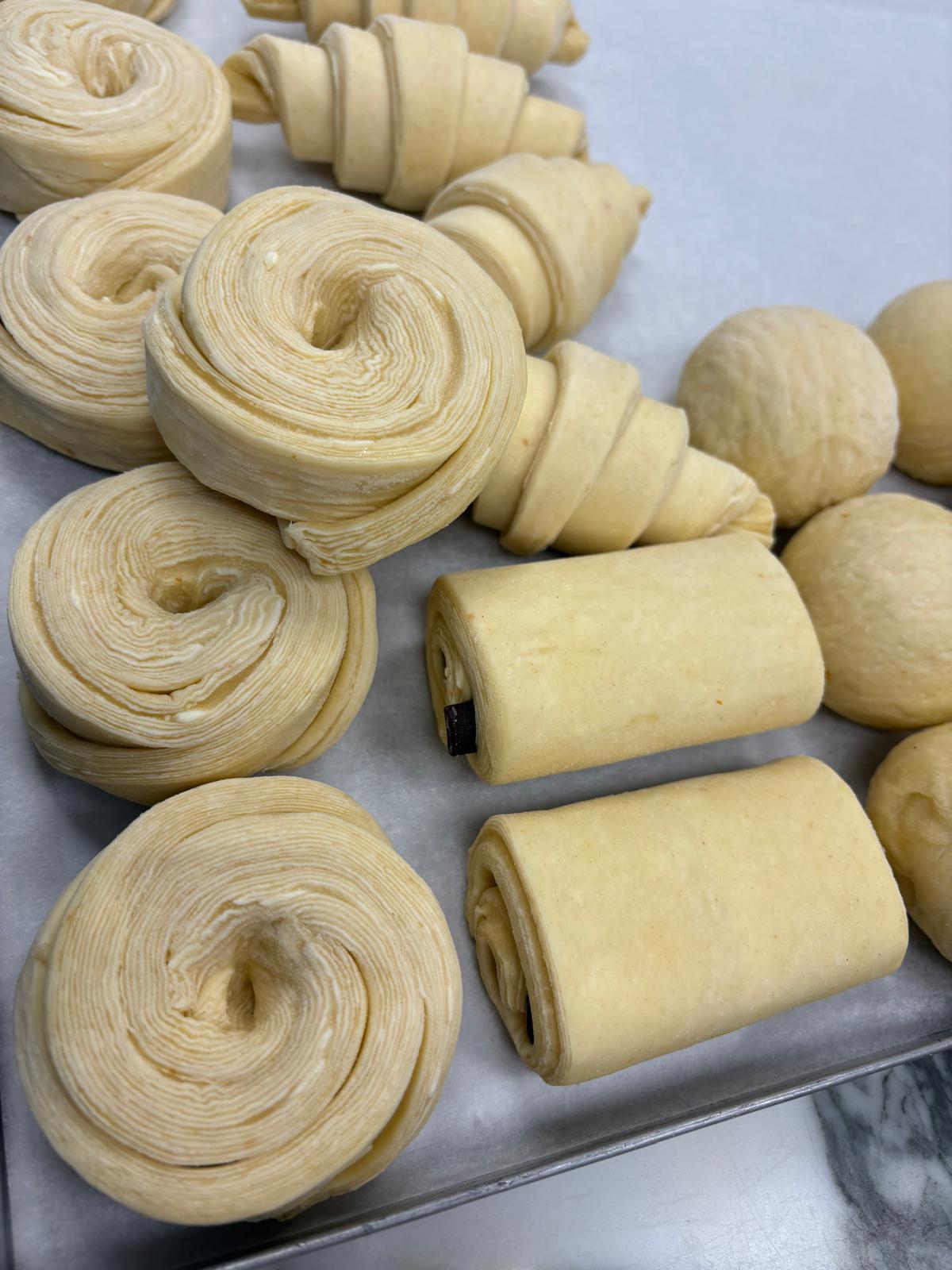
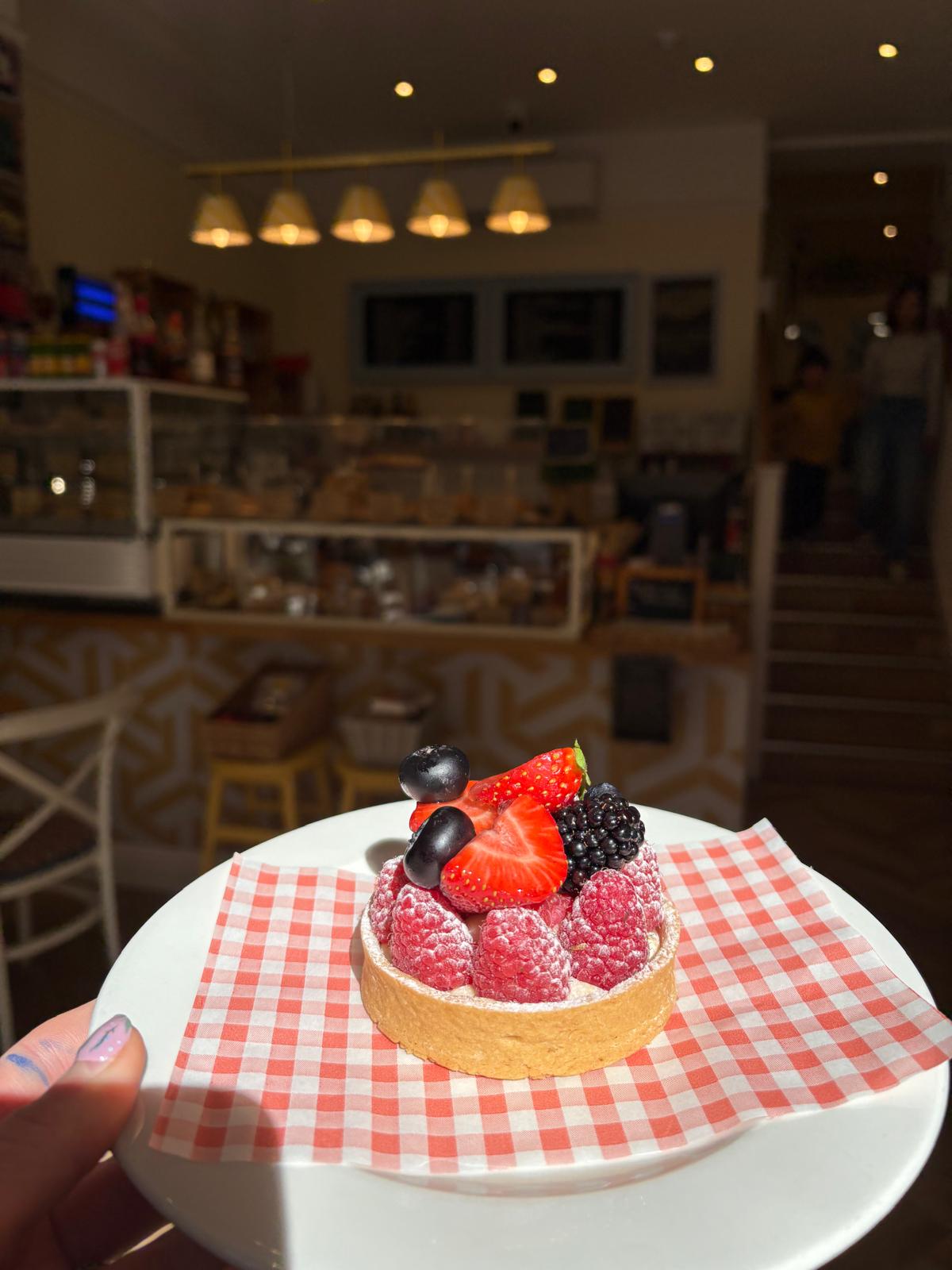
La Pasticceria — Pastries & Dolci
viennoiserie · cannoli · tarts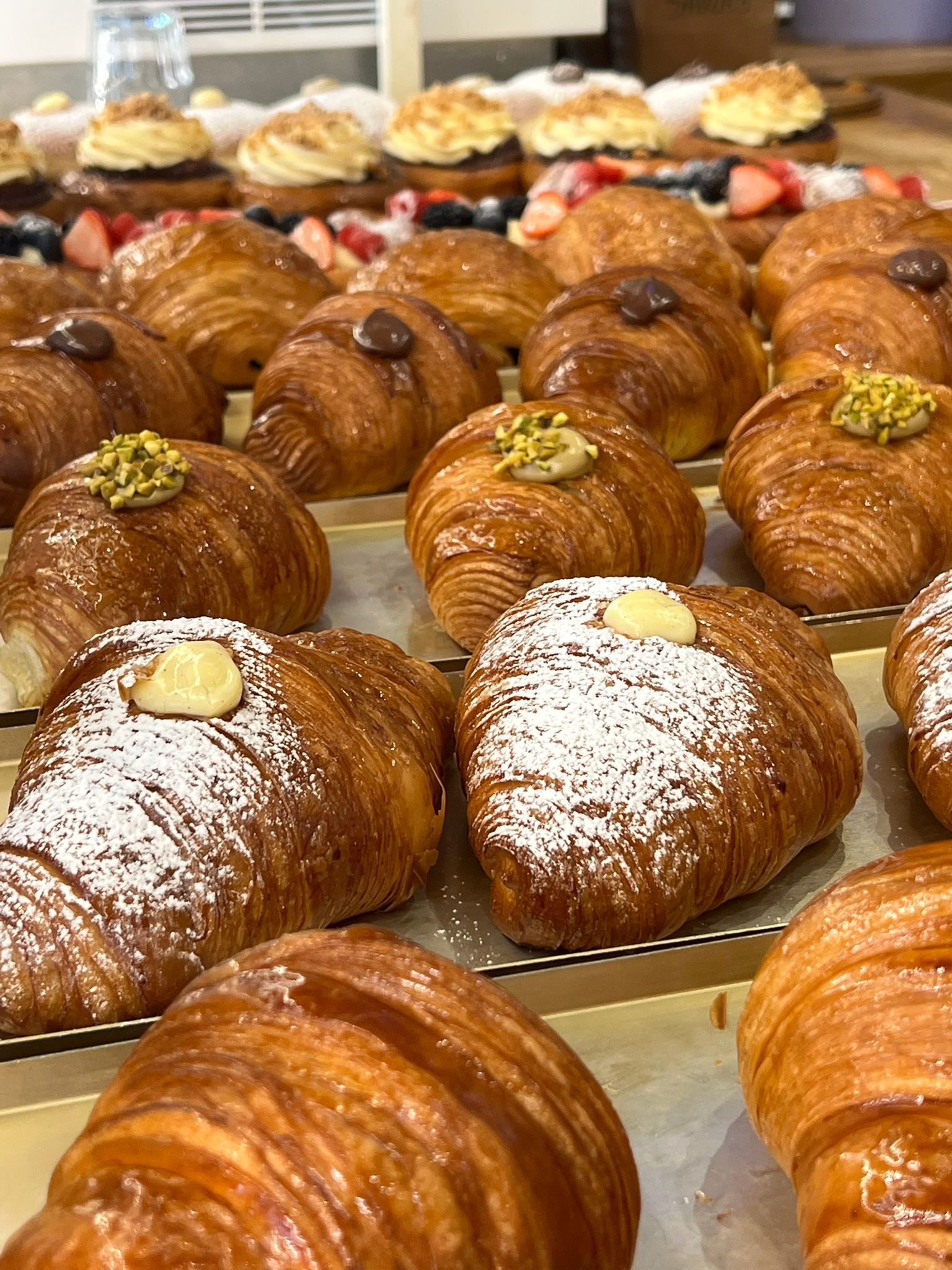
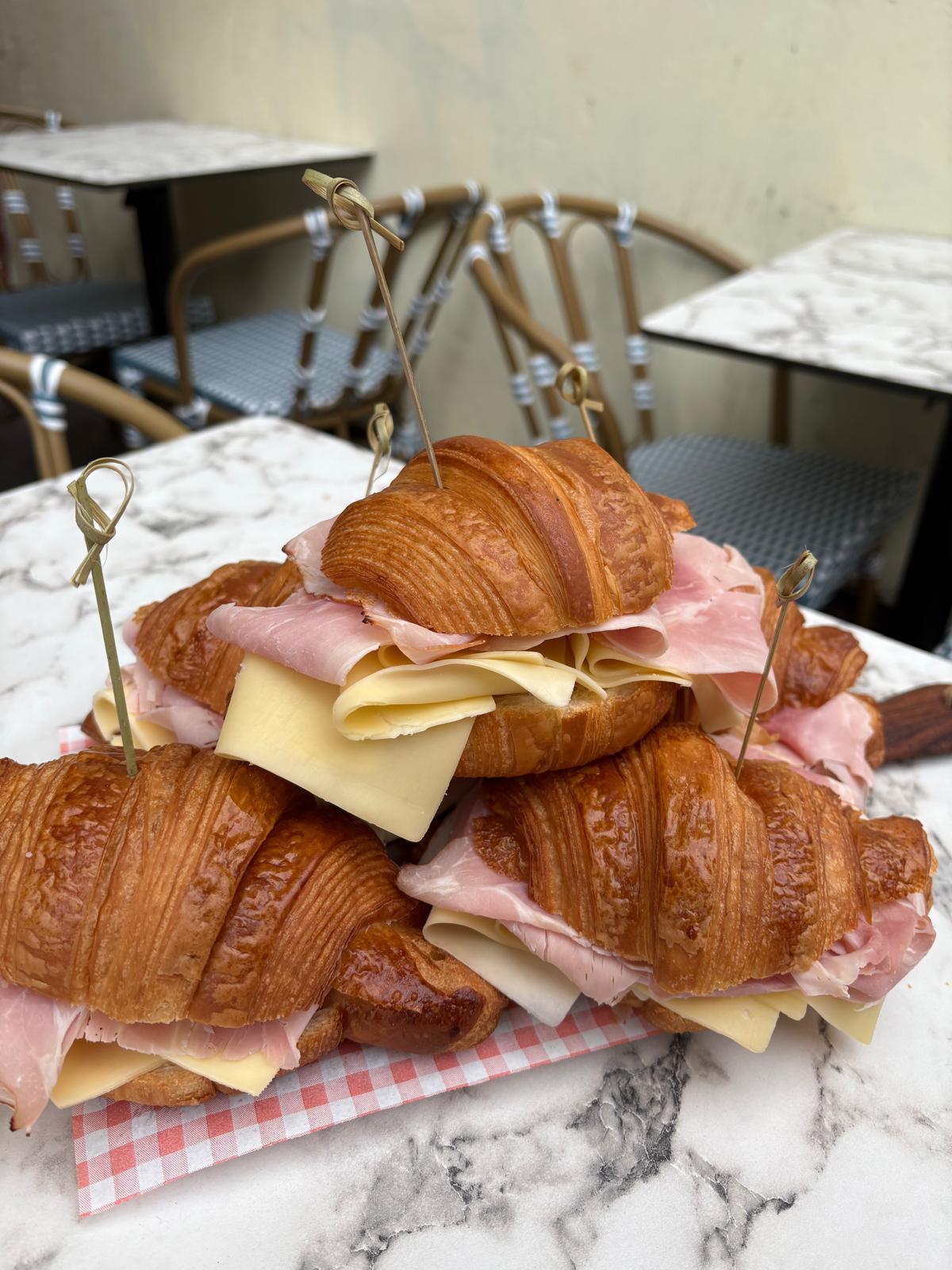
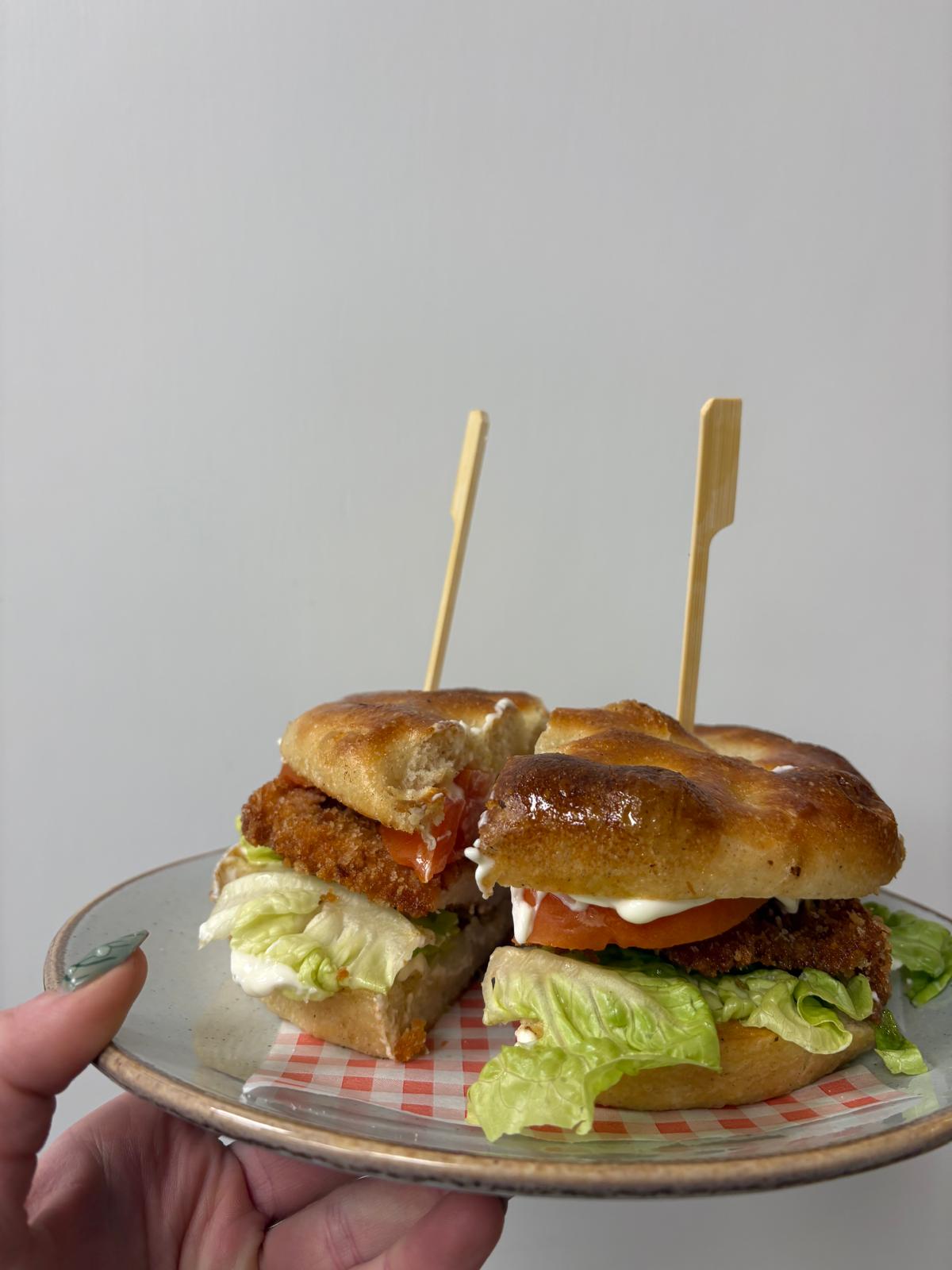
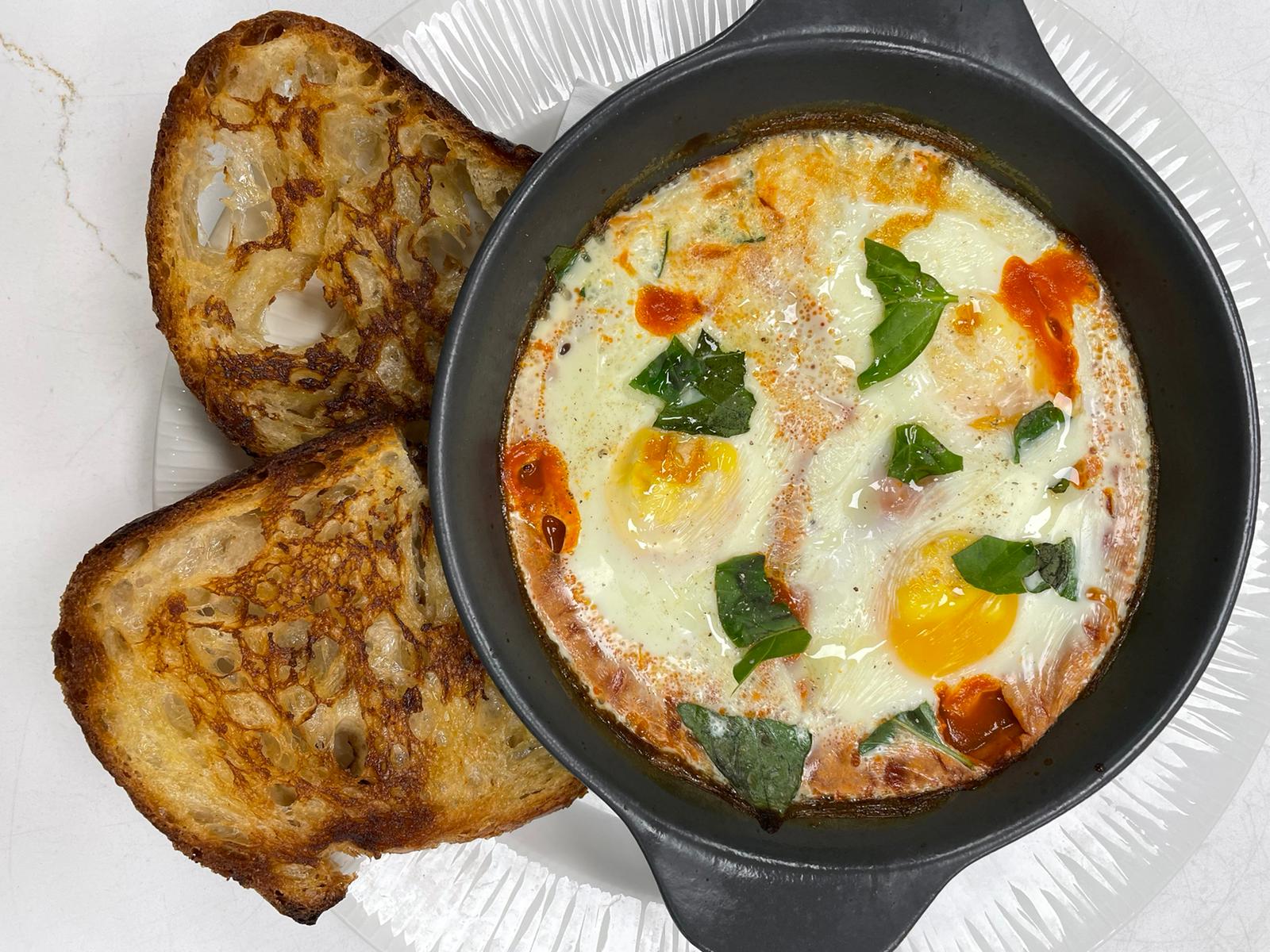
Il Salato — Savoury
focaccia sandwiches · brunch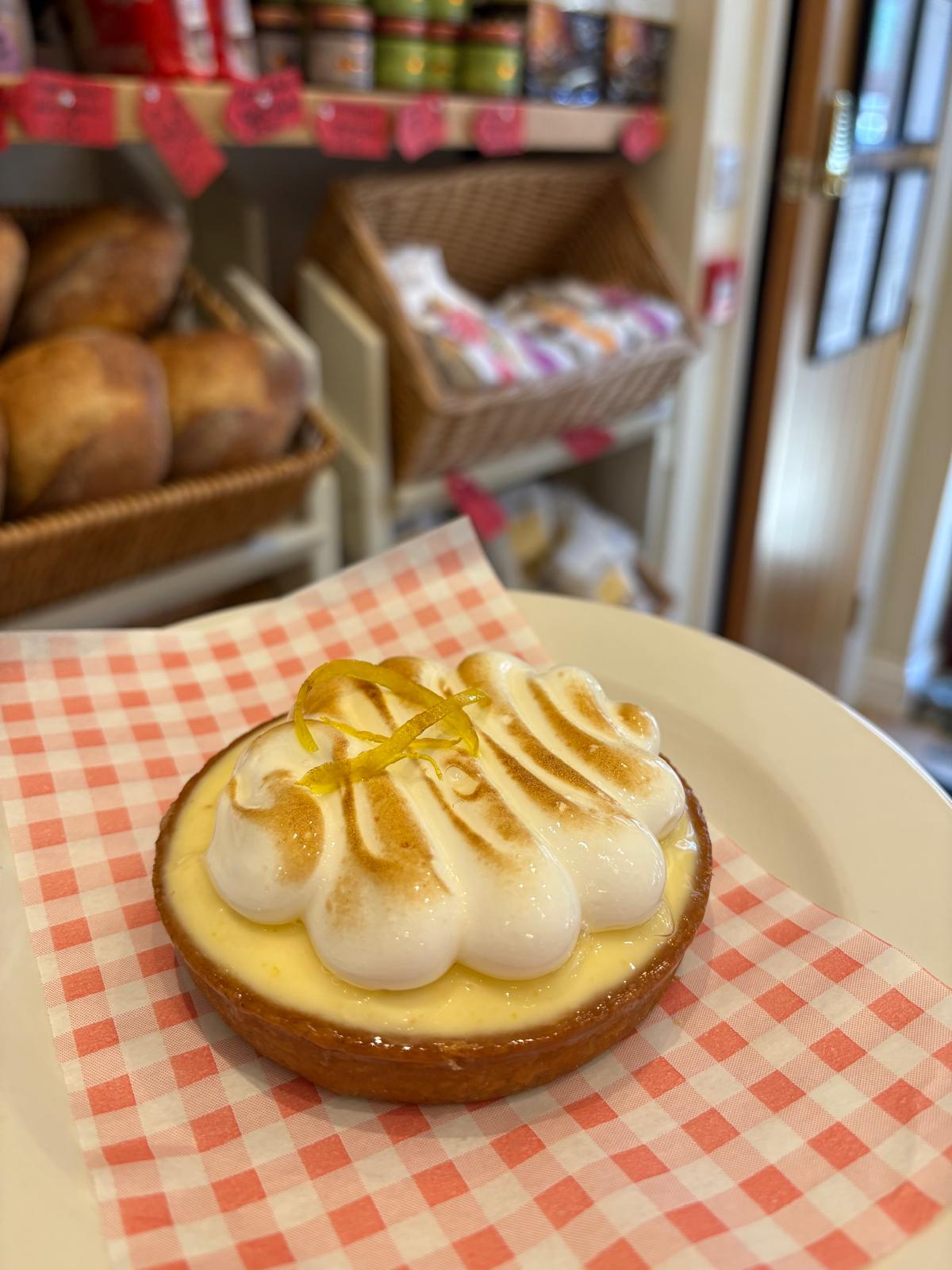
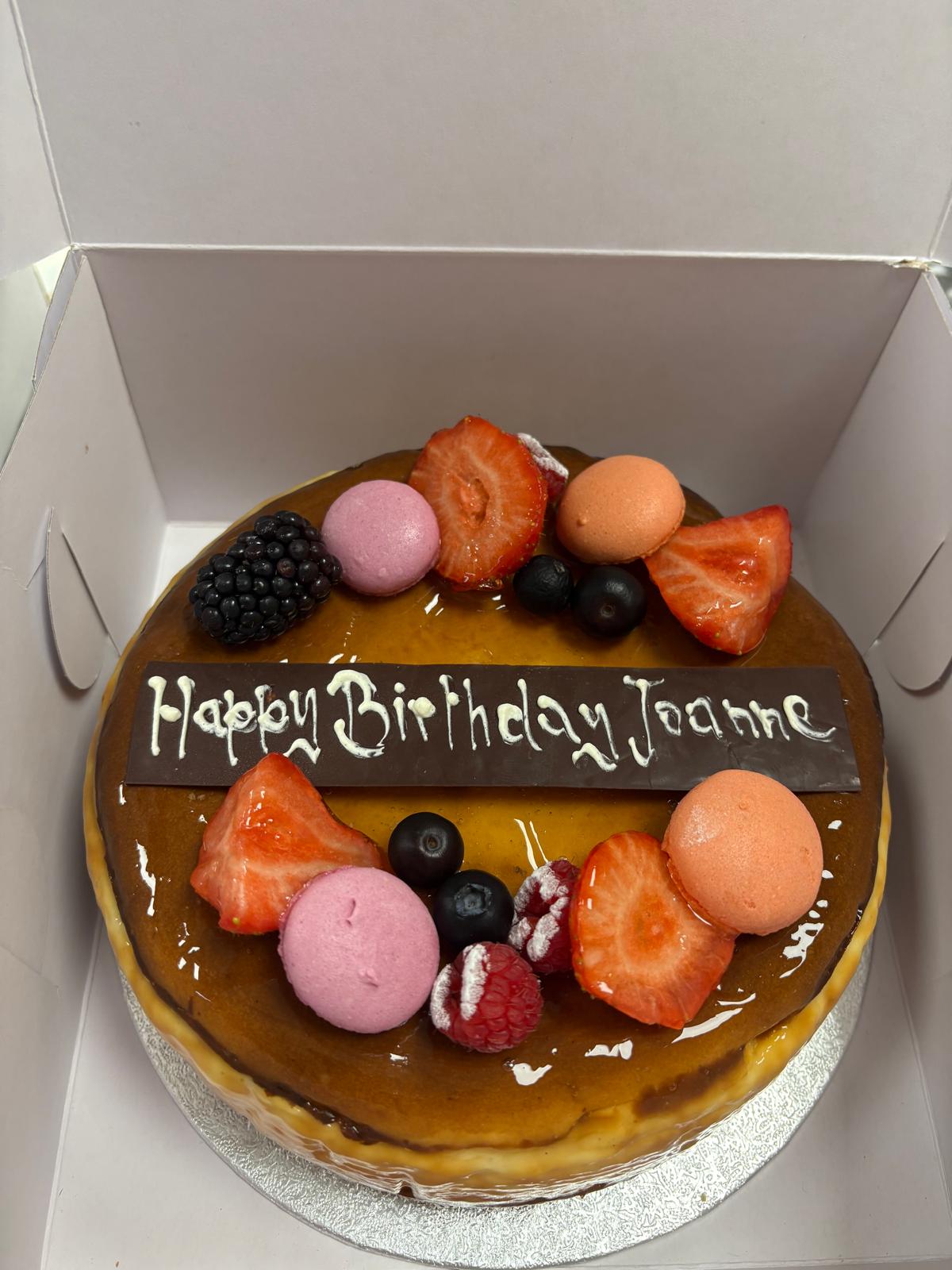
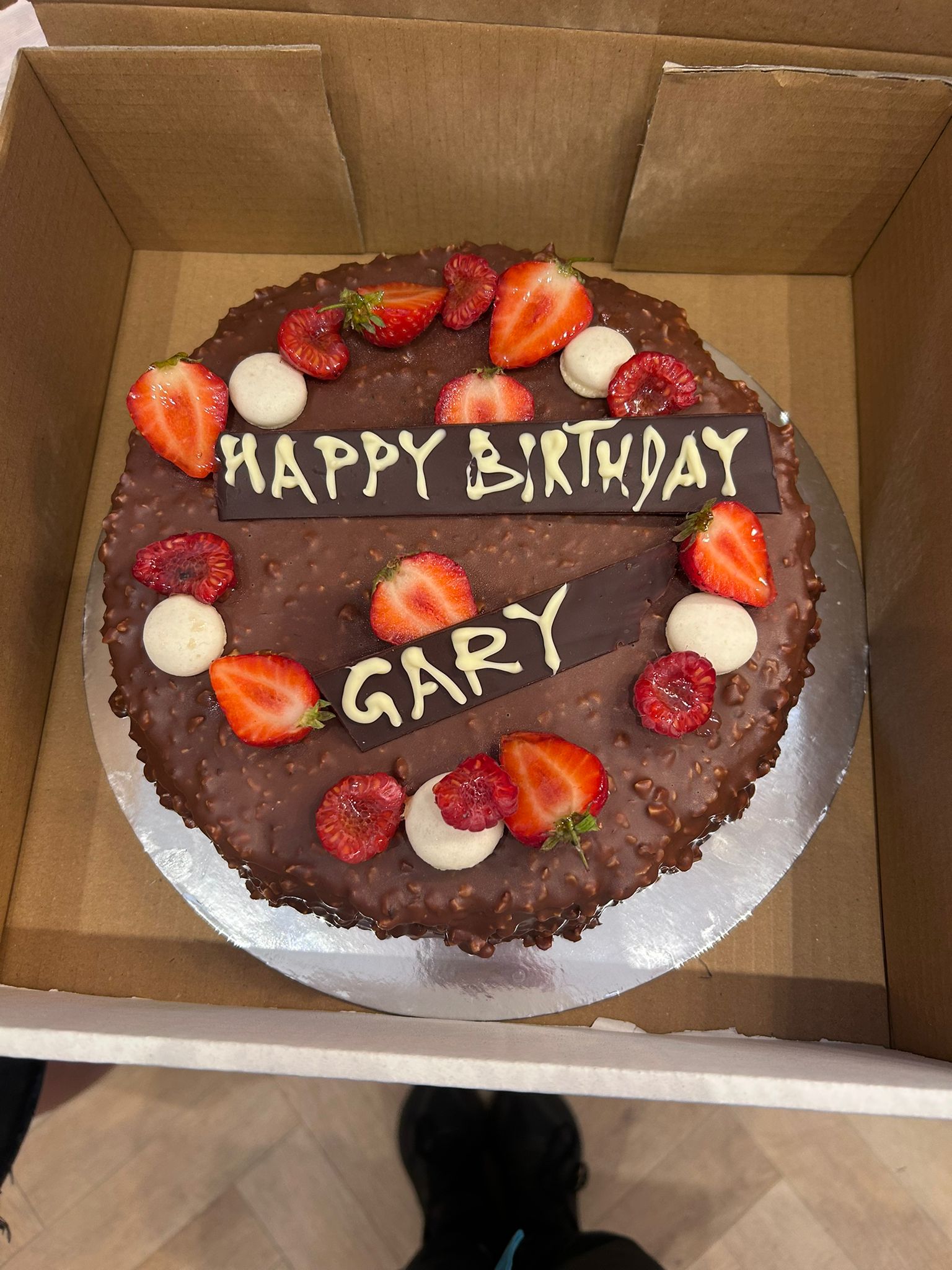
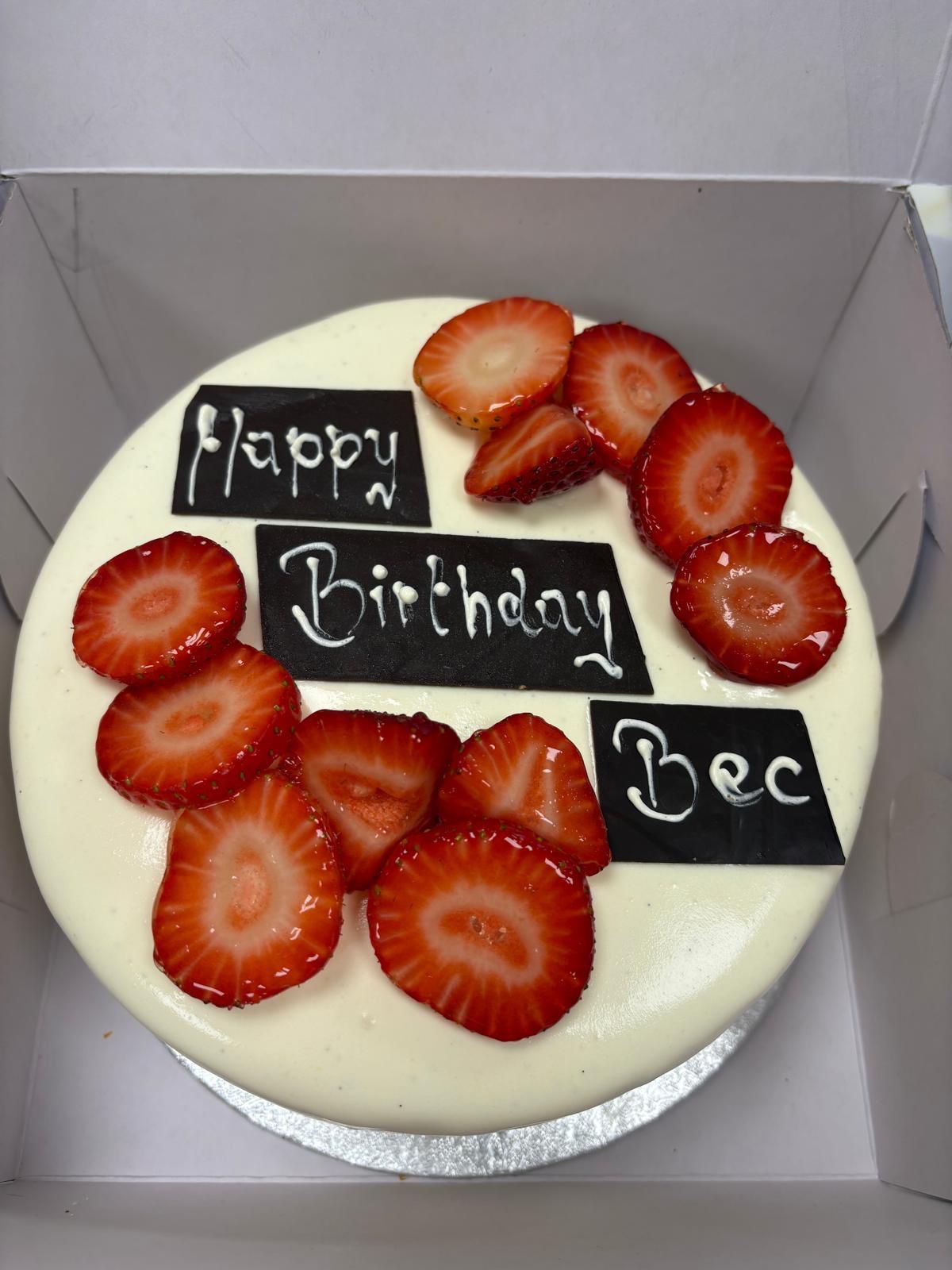
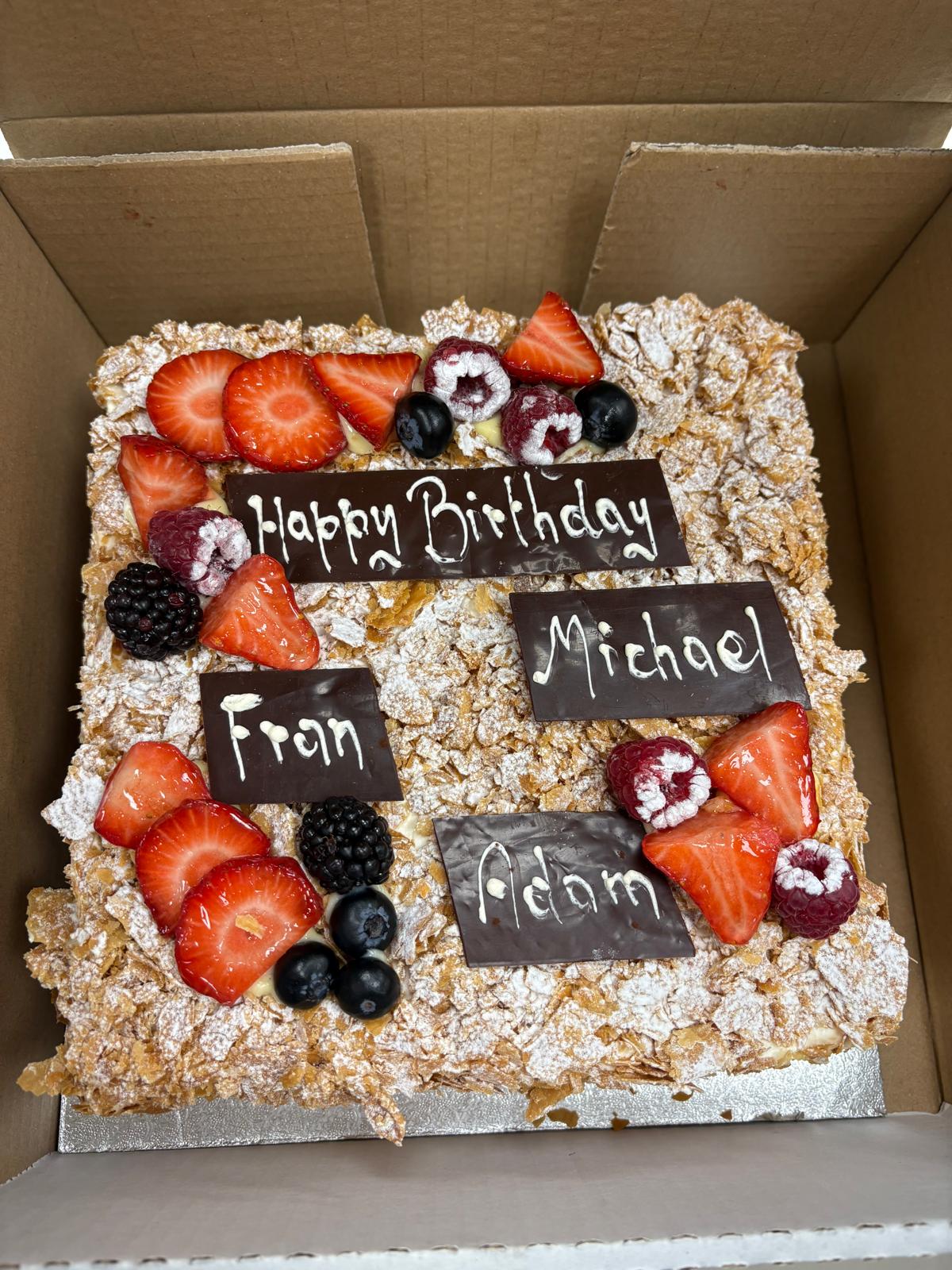
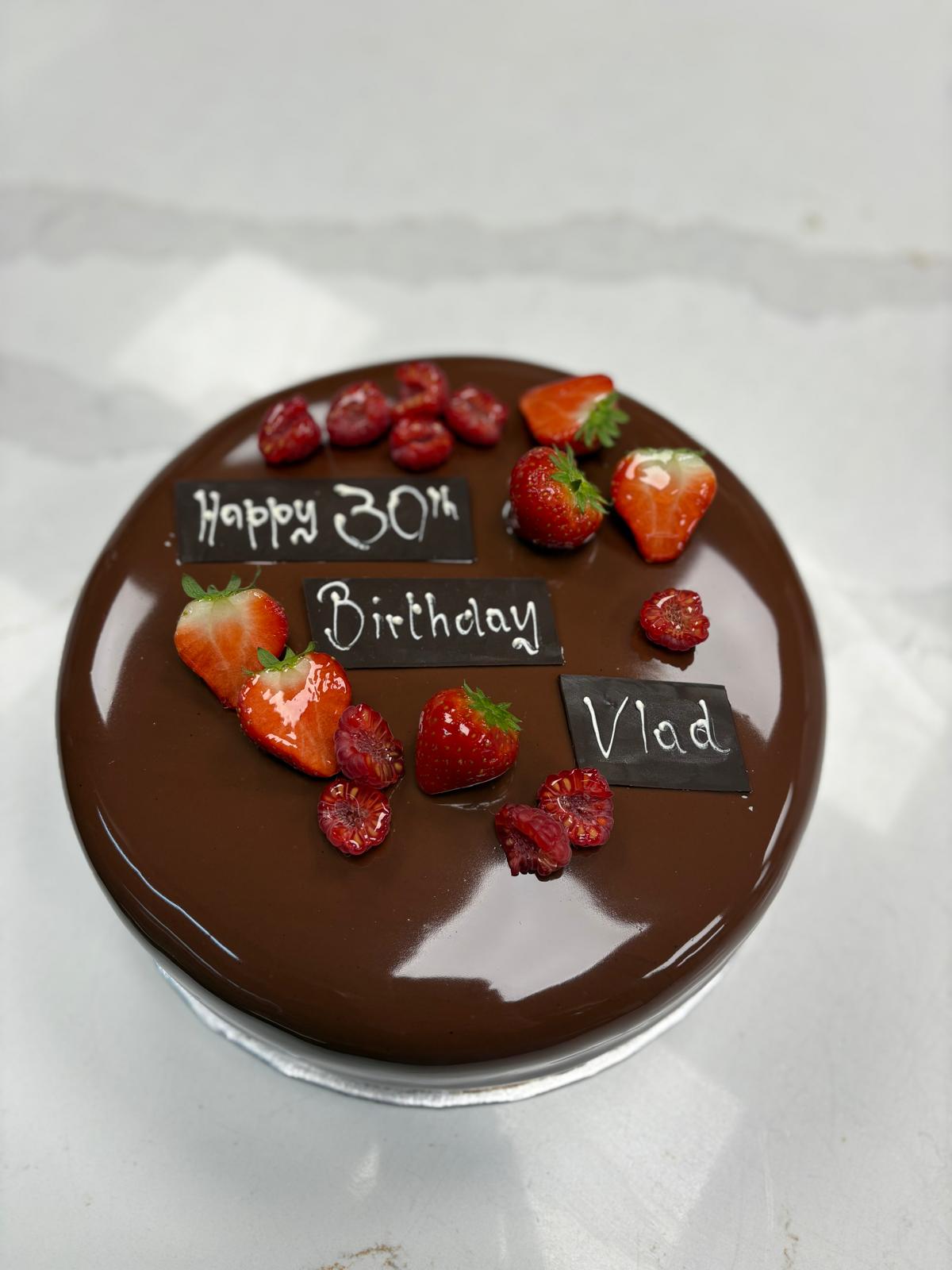
Le Torte — Celebration Cakes
bespoke · catering · events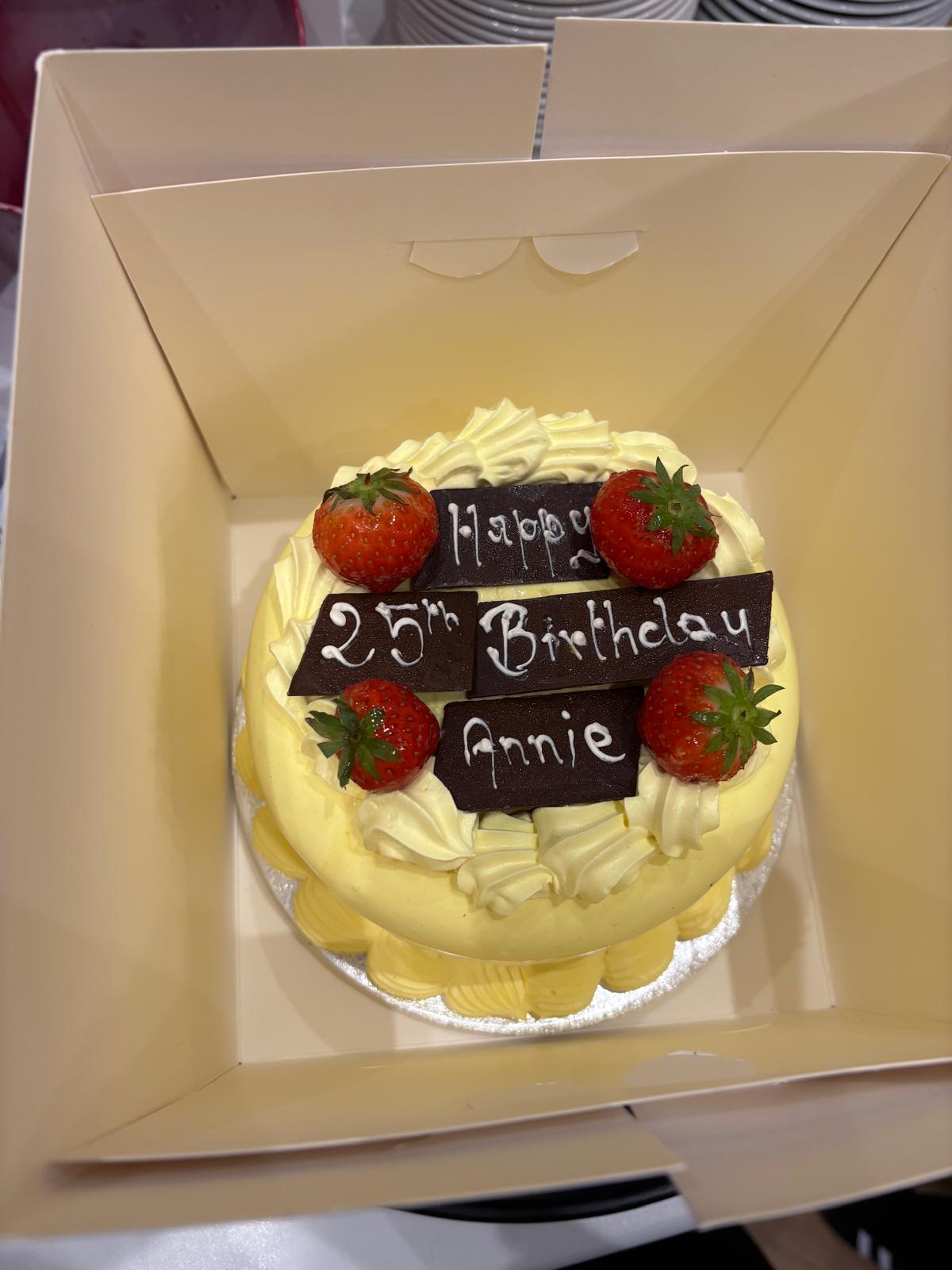
La Bottega — Italian Goods
imported provisions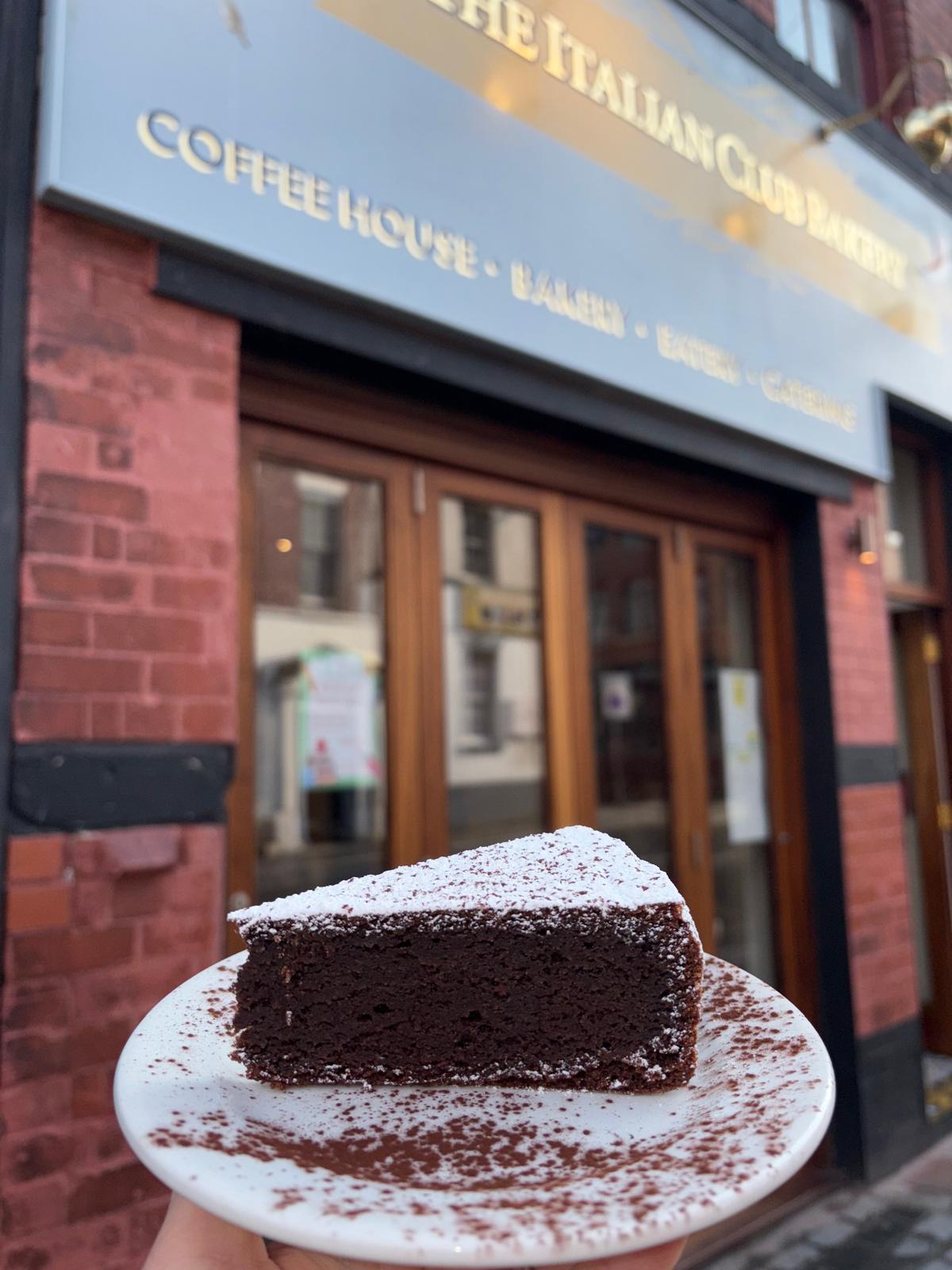
Why the room feels the way it does
There is a reason a good bakery slows the pulse. Environmental psychology and the field of neuroarchitecture describe how the spaces we occupy shape mood and attention through measurable means: the warmth of natural light, the soft acoustics of a low room, the scent of proving dough, the visual rhythm of goods stacked on open shelves. None of it is mysticism. It is the documented effect of materials, light and proportion on the nervous system.
The Duke Street room gathers these quietly — off-white calm, timber warmth, tall windows that flood the space by day — and sets them against the older weight of the street outside. The result is the particular stillness the Italians build into a neighbourhood panetteria: a place to pause inside a working city, exactly as it was meant to be.
Frequently asked
Where is The Italian Club Bakery?
The Italian Club Bakery is at 43 Duke Street, Liverpool, L1 5AP, in the Ropewalks / Duke Street Conservation Area. It relocated here in 2023 from its original Newington site.
Is it connected to The Italian Club on Bold Street?
Yes. It is run by the same Crolla–Pellegrini family behind The Italian Club (85 Bold Street) and The Italian Club Fish (128 Bold Street). The bakery is the smallest and oldest branch of the family.
What does the bakery make?
Fresh sourdough and focaccia Pugliese, viennoiserie and Sicilian cannoli, savoury focaccia sandwiches and brunch dishes, imported Italian provisions, and bespoke celebration cakes for events and catering.
Does it do celebration cakes and catering?
Yes — the bakery creates custom celebration cakes and provides in-house and outside catering for events. Contact the bakery directly on 0151 708 6566 to discuss.
Where does the Crolla family come from?
The Crolla family traces its roots to Picinisco, a mountain village in the Apennines of Lazio, Italy — by way of Scotland and then Liverpool. Picinisco is the same village from which much of Liverpool's original Little Italy community migrated between 1860 and 1920.
What is the history of the Duke Street site?
Duke Street was set out in the 1720s as part of Liverpool's Georgian Merchant's Quarter, growing around the world's first commercial wet dock (1715). It sits within the Duke Street Conservation Area and Liverpool's Chinatown, and has a long Italian association dating back to the Casartelli instrument-makers of 1760.