The Halyard – Ropewalks Harbour of Ideas
A modern hotel anchored in one of Liverpool’s oldest industrial districts, built where rope-makers, dock workers and craftsmen once prepared ships for journeys that changed the map of the world.
Three centuries of preparation
The work behind every voyage
Three hundred years ago this area was alive with a very specific kind of labour. Long, straight stretches of land in Ropewalks were used to twist and stretch rope for the sailing ships that left the Mersey. Without this invisible work, no vessel could leave port safely.
Around Duke Street you would have seen sheds, workshops and yards filled with fibres, tar and skilled hands. Ships that crossed oceans, carried mail, migrants, soldiers and cargo all depended on the precision created here.
The Halyard stands where thousands of people repeated careful movements day after day, building the physical lines that connected Liverpool to Atlantic and global routes.
Present day
A boutique harbour for travellers of ideas
Today The Halyard receives designers, entrepreneurs, artists, tourists and local guests. The old yards have become a refined interior, yet the sense of “getting ready to depart” is still in the air.
Laptops, notebooks and quiet conversations in the lobby echo the old rhythm of measuring, twisting and checking rope. Instead of ships, people now prepare projects, collaborations and decisions that will leave this city in digital or physical form.
In the Action Path route, this hotel is a key stop for aligning your nervous system before taking bold action. You are invited to rest, feel the field and consciously tune your body to a state of grounded readiness.
Use Ropewalks not only as a cool district for drinks, but as a living training ground for focused, prepared movement.
Access The Halyard Quantum Guide4. The Halyard Liverpool
Address:
123 Duke Street, Liverpool L1 4JR, United Kingdom
Phone (Hotel & Bar):
+44 151 294 6622
Area: Duke Street / Ropewalks
Type: Lifestyle Hotel with Restaurant & Bar
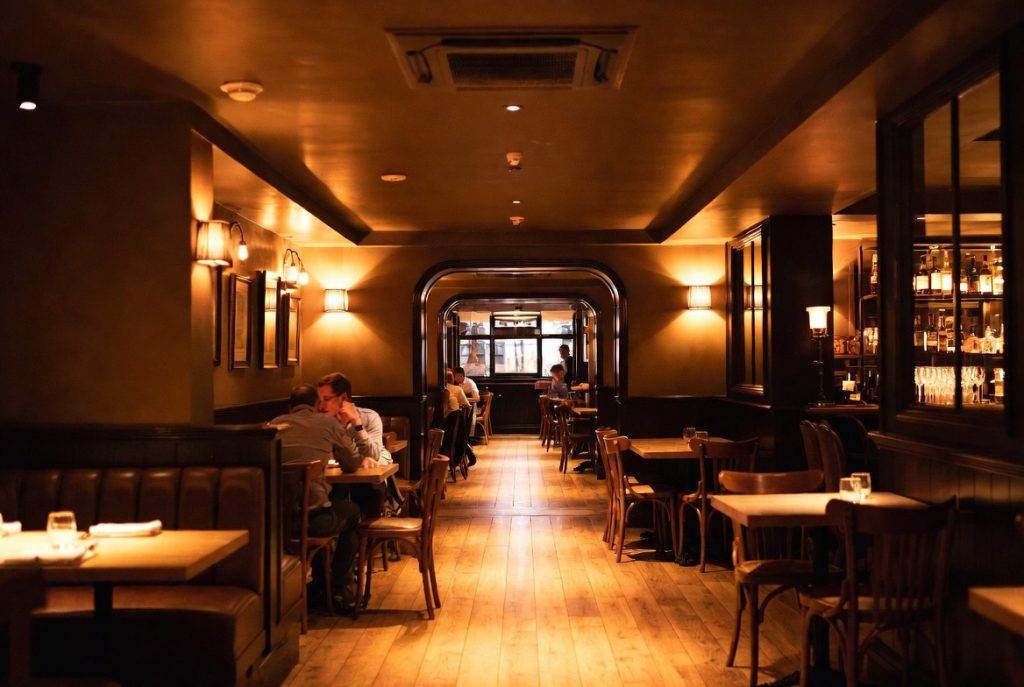
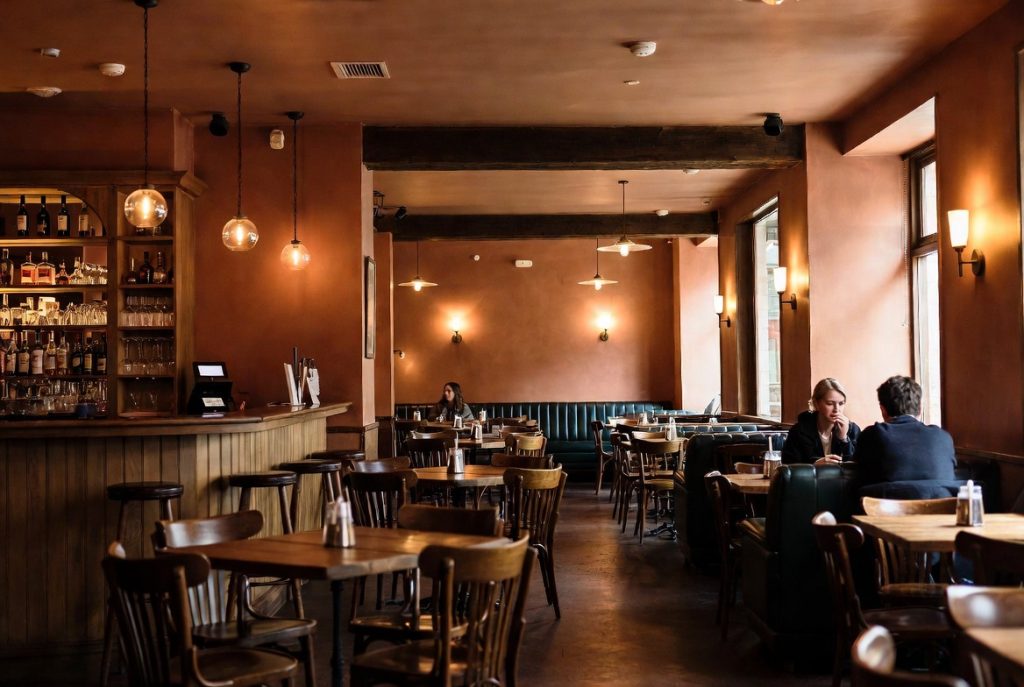
“Images are illustrative representations generated to convey atmosphere and historical context.”