St James's Mount · south end of Hope Street
Liverpool Cathedral
Below the cathedral lies a former stone quarry, worked out by 1825 and turned into St James's Cemetery, which took burials from 1829 until 1936. Above it, Sir Giles Gilbert Scott's cathedral rose over 74 years, from Edward VII laying the foundation stone in 1904 to its completion in 1978.
- Architect
- Sir Giles Gilbert Scott
- Built
- 1904–1978
- Heritage
- Grade I listed; St James's Gardens Grade I registered
- Tower
- 101 metres
The ground beside St James’s Mount was a stone quarry in the 1700s. By 1825 it was exhausted, and the hollow was turned into St James’s Cemetery, with entrances, carriage ramps and buildings by the Liverpool architect John Foster. It opened in 1829.
Among those buried there is William Huskisson, the MP struck by a locomotive at the opening of the Liverpool and Manchester Railway in 1830; his circular memorial by Foster dates from 1836. The last burial took place on 10 June 1936, and in the 1960s the cemetery was relandscaped as a public garden. It is a Grade I registered park and garden.
On the Mount above, King Edward VII laid the foundation stone of the Anglican cathedral in 1904. Giles Gilbert Scott, still in his early twenties when his design was chosen, became sole architect after G. F. Bodley’s death in 1907. The first section was consecrated on 19 July 1924, and a service marked the building’s completion in October 1978.
The cathedral is Grade I listed. Its tower rises 101 metres, and it is generally described as the largest cathedral and religious building in Britain.
- 1700s
A stone quarry is worked on the slope below St James's Mount.
- 1829
St James's Cemetery opens in the exhausted quarry.
- 1836
John Foster's memorial to William Huskisson is completed.
- 1904
Edward VII lays the cathedral's foundation stone.
- 1924
The first section is consecrated on 19 July.
- 1936
The last burial in St James's Cemetery, on 10 June.
- 1978
A service in October marks the cathedral's completion.
How much history this place holds
The Old Town Time Meter
Old Town Time Meter
77/100
Landmark
- Time on this spot197 years, since 1829 (St James's Cemetery in the old quarry)26/40
- Age of the present building122 years, built 190412/20
- Layers of history7 documented chapters15/15
- Heritage protectionGrade I listed15/15
- Continuity122 years in the same use (cathedral)8/10
Part of the historic district of Georgian Quarter · district meter 77/100, Landmark
An index of the documented time and history held by this place, part of Old Town Liverpool's Quantum Energy Mapping. How it is measured.
Old Town Liverpool guides
With the story behind the building
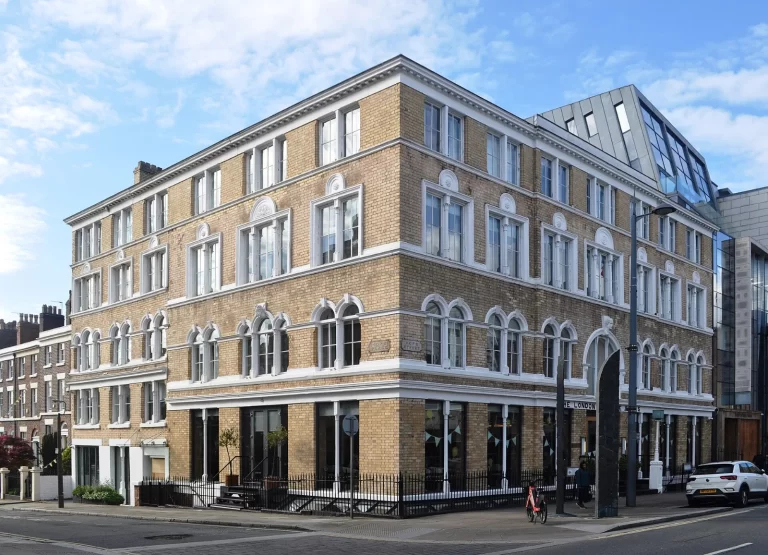 The London Carriage Works at Hope Street HotelThe London Carriage Works (Hope Street Hotel) · built 1860
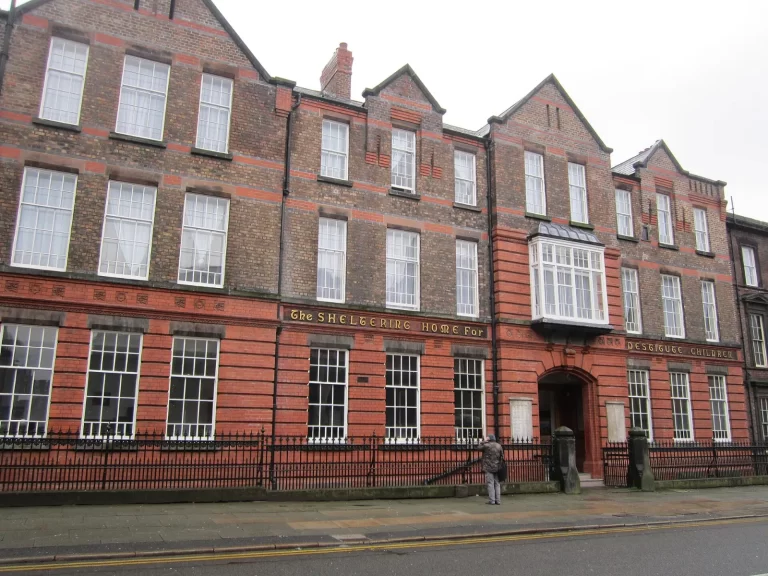 The Art School RestaurantFormer Liverpool Sheltering Home, 1 Sugnall Street and 2A Myrtle Street · built c.1840 and 1888–89 (Victorian) · Grade II listed · NHLE 1393709
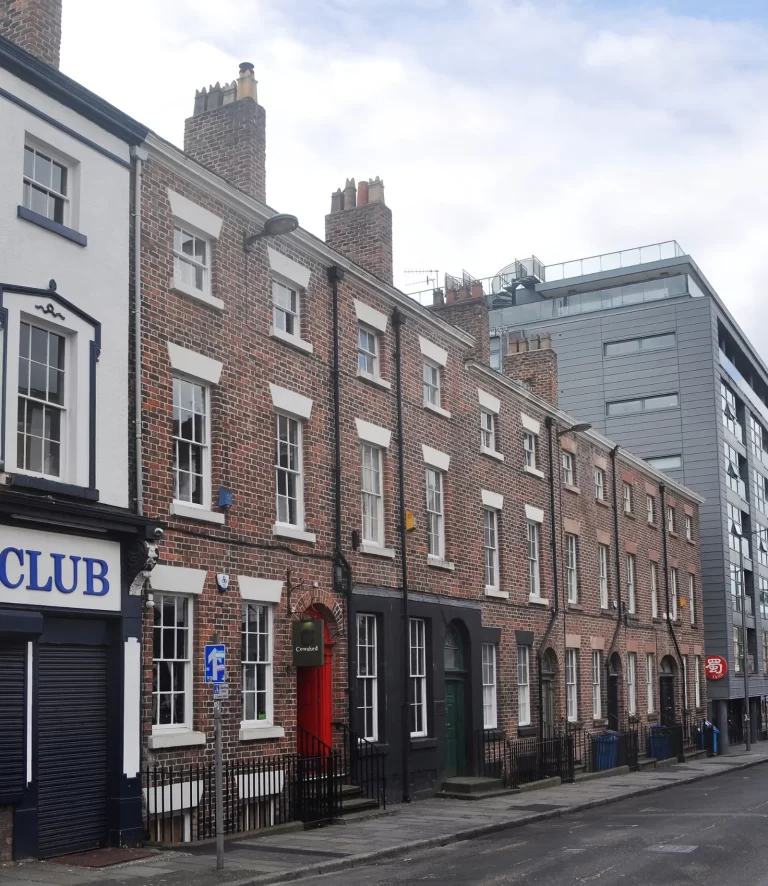 Cowshed
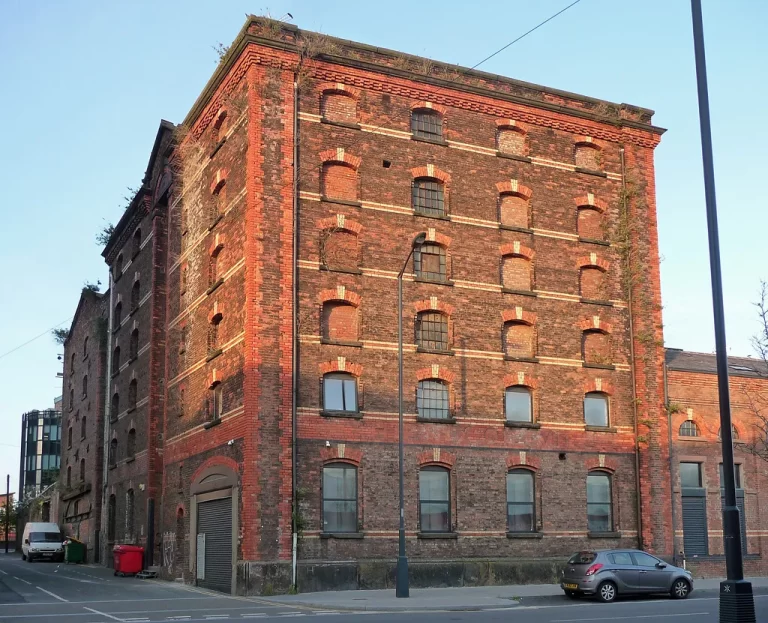 ManifestConverted warehouse, Watkinson Street · built Victorian
 The Italian Club Fish128 Bold Street
 Maray
Make an evening of it
What's on nearby
Things to do
Tours that start nearby
- Bus tours · Sightseeing from £15 per adult City Explorer Hop-On Hop-Off Bus Tour City Explorer Liverpool (Maghull Coaches) Times, prices & meeting point
- Beatles · Bus tours from £20 per adult Beatles Explorer Bus Tour City Explorer Liverpool (Maghull Coaches) Times, prices & meeting point
- Attractions · Museums Walker Art Gallery National Museums Liverpool Times, prices & meeting point
Around Liverpool Cathedral
Sources: Wikipedia: Liverpool Cathedral; Historic England: St James's Gardens (list entry 1001585); Food Standards Agency food hygiene rating data (Open Government Licence v3.0), updated 16 October 2026.